National Museum of Photography

Dettagli della notizia

Descrizione breve
The Cinefotoclub National Museum of Photography (founded in 1953) preserves a rich heritage of vintage photographs and cinema memorabilia. Its 8,000 pieces tell the story of photography from 1826 to the digital era, and the history of movie making from amateurs to professionals.

Tempo di lettura:

1 min

Aree tematiche
Points of interest

Descrizione

Descrizione

The Archive holds over 60,000 photographs: from glass panes to negatives, from prints to slides, to digital software. A very important section is the exhibition dedicated to photographs in single copy: daguerreotypes, ambrotypes, ferrotypes. 

The specialized Library offers over 8,000 volumes on photography and cinematography. The Museum hosts temporary exhibitions of national and international artists, organizes photographic contests, photography courses and organizes meetings dedicated to the history of photography and movie making. 

Galleria

Ultimo aggiornamento

10/07/2024, 15:04

Concerto banda Faber

Dettagli della notizia

La musica della solidarietà

Data:

03 maggio 2024

Tempo di lettura:

1 min

Concerto banda Faber

Descrizione

Venerdì 17 maggio alle 20.30 nel Teatro Sociale, in via Cavallotti 20, in occasione del 60° anniversario dalla fondazione, l’Associazione Italiana Assistenza agli spastici A.I.A.S.  Brescia celebra il proprio operato e impegno con un concerto della Banda Faber aperto alla cittadinanza. La banda, composta da circa 40 elementi, propone musica d’autore italiana arrangiata in chiave folk-rock.

L’A.I.A.S. Associazione Italiana Assistenza agli Spastici – Sezione provinciale di Brescia, fondata nel 1964 da un gruppo di genitori e da Albino de Tavonatti, allora Vicesindaco del Comune di Brescia, è un ente non profit che si occupa del recupero e del benessere psico-fisico delle persone spastiche, e di offrire a loro e alle loro famiglie attività ricreative e di inclusione (gite turistiche, viaggi culturali, pranzi sociali, manifestazioni pubbliche come i “Giochi d’estate”, soggiorni estivi ).  L’evento ha come obiettivo principale quello di esprimere gratitudine e diventare un'occasione di riconoscimento da parte di A.I.A.S. Brescia nei confronti della comunità bresciana per il sostegno ricevuto negli anni attraverso donazioni e lasciati che hanno reso possibile la realizzazione di innumerevoli progetti in supporto alla disabilità.

L’ ingresso è gratuito fino ad esaurimento posti. Le prenotazioni dovranno essere effettuate entro il 13 maggio.

Ultimo aggiornamento

03/05/2024, 12:56

The Castle

Dettagli della notizia

Descrizione breve
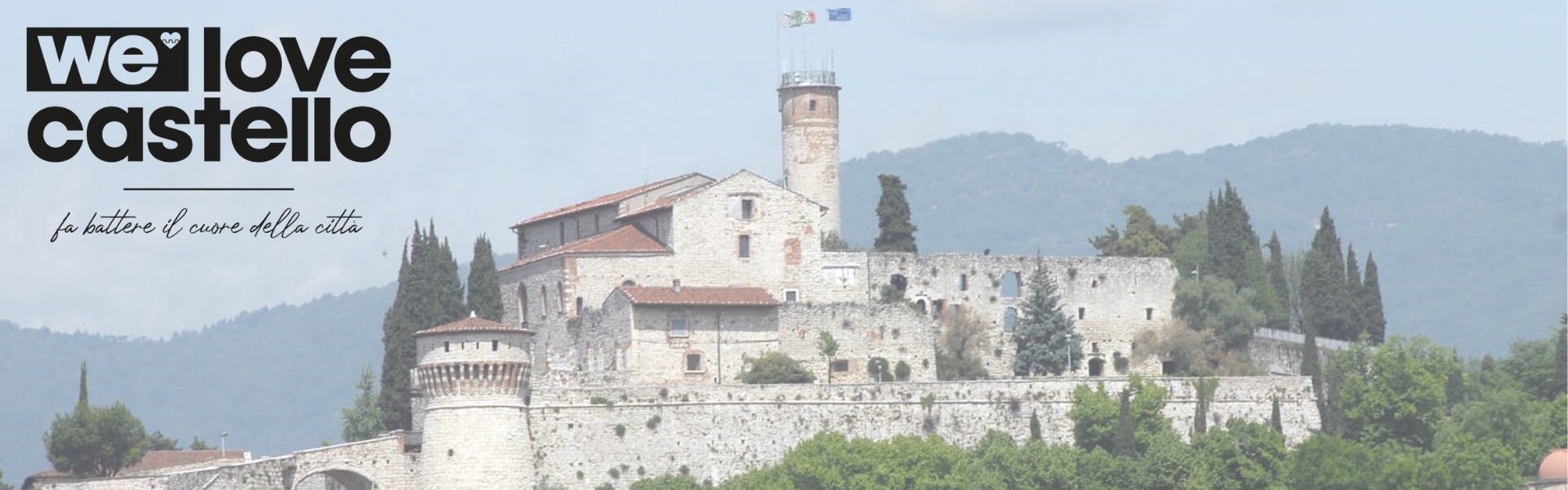
The ancient part of Brescia, Roman Brixia so-called since the first century BC because of the rocky, hilly ground on which it is built, is bounded to the north-east by Cidneo Hill (245m). Brich was the Celtic word meaning rocky summit, high places. And the hill with its wonderful view over the whole city, has represented the most important element in the town's history from the time of the first settlements in the Bronze age up until the eve of the XX century.

Tempo di lettura:

3 min

Aree tematiche
Points of interest

Descrizione

Descrizione

The castle is called the "Falcon of Italy" because of its position on the summit of the hill, where it overlooks the city from above. It is one of the largest fortified complexes in Italy with 75,000 square metres enclosed within its surrounding walls.. The old Venetian-Visconti stronghold dominates the city and its well preserved buildings illustrate the evolution in military techniques that over time have rendered the defensive system impregnable and made it a perfect instrument to control the city for the various "dominators" who succeeded one another in Brescia. 

Walking along the path that leads from the entrance up to the top of the hill , the visitor travels through history: from XVI century military buildings ( the time when Venetian domination began) to XIX century ones ( the period of Austrian occupation) and then back in time again to the innermost surrounding walls built by the Visconti in medieval times. 

The Castle and hill together have always been an integral part of the city. Yet, nowadays, going 'up to the Castle' means not only visiting the massive fortifications of the stronghold but also strolling in the spacious gardens within the walls or along the shady roads leading to the top of Cidneo hill. 

The natural characteristics of the site were used for defensive purposes right from the time of the first settlements but have over time changed their function. The slopes of the hill, which were barren originally and covered in stones  to make it easier to sight the enemy, are quite different nowadays; since the end of the XIX century they have been completely changed: tree-lined avenues have been created and monuments and stelae put up; so that the Castle has taken on a public role that is both recreational and educational. 

The Visconti Keep houses the Luigi Marzoli Arms Museum, one of the most important of its kind in Europe because of the wealth of XV and XVI  arms and armour and XVII and XVIII guns in its collections. The exhibits, of great historical and artistic interest, are set out in various sections according to type and period. there are about six hundred items on display offering significant examples of both Milanese arms production and that of Brescia, which boasts a centuries-old tradition in the sector. 

The Museum of the Risorgimento is housed in the Grande Miglio (corn store), and has many interesting objects on display: documents, pictures, period prints, and historic relics. It is laid out in two sections which are devoted to the most important figures and happenings of the period ranging from the revolutionary years at the end of the XVIII century to the late XIX century.  

Galleria

Ultimo aggiornamento

11/07/2024, 10:54

San Carlino Theatre

Dettagli della notizia

Descrizione breve
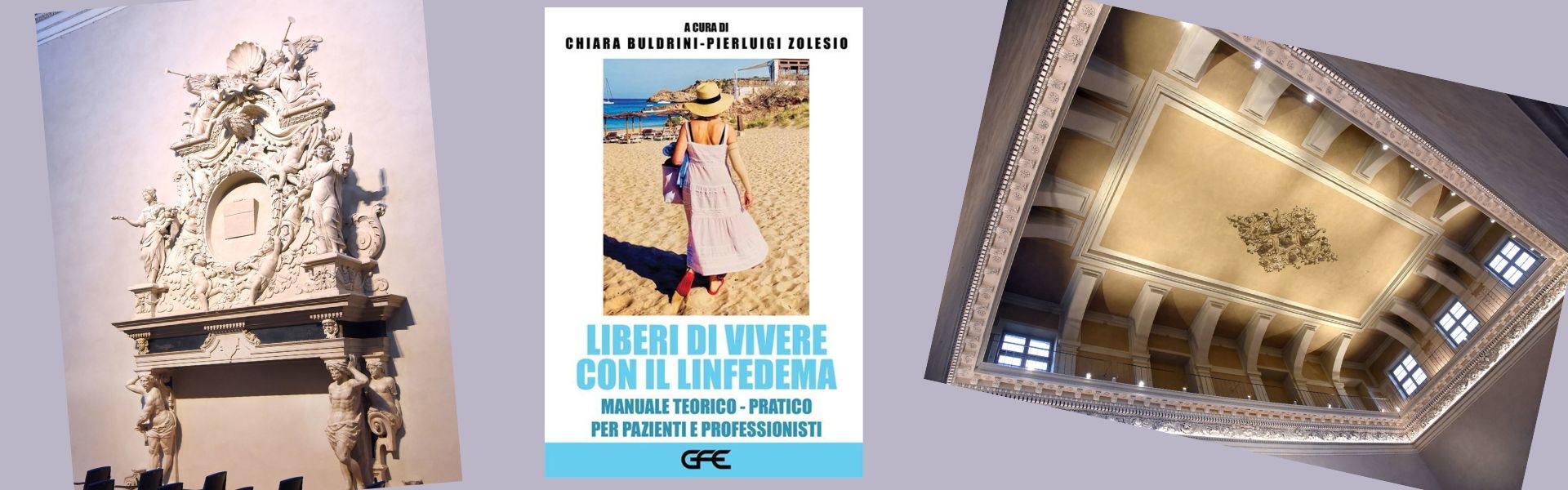
San Carlino theatre was originally a church of the SS. Trinità dei Pellegrini confraternity, and has now become an auditorium and conference venue for Brescia Provincial Administration. It was designed around 1750, as witnessed by a blueprint dated 1753, authorised and signed by the Vicar General Jacobo Soncini, six years before the first cornerstone was laid.

Tempo di lettura:

1 min

Aree tematiche
Points of interest

Descrizione

Descrizione

The theatre is close to the palace built in 1721 upon request of count Giacinto Martinengo Colleoni, Marquis of Pianezza, to replace the ancient houses of a noble branch of the Porcellaga family. Giacinto married Cornelia Porcellaga, heir of the family, and replaced the ancient oratory of Confraternita dei Disciplini – a Lombard religious confraternity – which bordered the Porcellaga estate and occupied an area that Giacinto destined to the building of the palace. The confraternity sold the oratory in exchange for a building area to the north of the Martinengo’s new palace. The cornerstone was laid by Monsignor Andrea Duranti bishop of Chitro in 1759. The temple was consecrated by the bishop of Brescia Cardinal Molin in 1768. The Confraternita dei Disciplini was part of the SS. Trinità dei Pellegrini confraternity in Rome: the building was dedicated to the Holy Trinity and to St. Charles Borromeo, it was named San Carlino to distinguish it from the church of San Carlo annexed to Casa di Dio. 

Galleria

Ultimo aggiornamento

10/07/2024, 14:51

Pallata Tower

Dettagli della notizia

Descrizione breve
One of the city symbols, the tower was built in 1248 and is rated amongst the Middle Ages most important monuments.

Tempo di lettura:

1 min

Aree tematiche
Points of interest

Descrizione

Descrizione

Constructed using remains of Roman buildings along the pre-existing medieval walls in order to protect the so called “San Giovanni” door, the tower is 31 meters high and has a 10.6 meters square plan. It carried out the function of municipal treasure storage, rationing warehouse, and prison too. The bell area was added in the XV century, while in the XVI century the fountain in Via Pace was embedded in its base. It had been designed by Pietro Maria Bagnatore and then carried out in 1596 by Antonio Carra. The statues represent the Brescia allegories, armed and holding a cornucopia, and the two rivers Garza and Mella.

Galleria

Ultimo aggiornamento

09/07/2024, 17:30

Church of San Faustino in Riposo

Dettagli della notizia

Descrizione breve
The small entrance opens under the face of Porta Bruciata tower, in Via dei Musei. The name of the church was coined after a religious procession that took place at the beginning of the 9th century: it carried the relics of Faustino and Giovita saints – patrons of Brescia – and stopped here on its way towards San Faustino Maggiore.

Tempo di lettura:

1 min

Aree tematiche
Points of interest

Descrizione

Descrizione

Erected at the end of the 12th century on a preexisting chapel, the church has a round plan rebuilt in the 18th and 19th century. The altarpiece on the main altar, Vergine con Bambino tra i Santi Faustino e Giovita (Virgin Mary and Child between the Saints Faustino and Giovita), was painted by Domenico Romani in 1743. The church, full of ex-voto, hosts in its left chapel an image of the Virgin Mary that is fondly cherished by devotees in Brescia.    

The original outside architecture, visible where the street widens, presents a cylindrical stone building covered with a cone-shaped roof with a denticular cornice in cotto tiles. There it stands a cylindrical bell tower with four small mullioned windows, covered with a pinnacle decorated with another denticular cornice in cotto tiles. 

Galleria

Ultimo aggiornamento

02/07/2024, 15:19

Church of Sant'Afra in Sant'Eufemia

Dettagli della notizia

Descrizione breve
The church was completely reconstructed in the 18th century to the design of Domenico Carbone.

Tempo di lettura:

1 min

Aree tematiche
Points of interest

Descrizione

Descrizione

The façade (1776) has typically classical lines. The vault is decorated with trompe-l'oeil frescoes and three paintings by Sante Cattaneo. The high altar, where works by the sculptor Antonio Callegari may be admired, is an example of Lombard rococo with its abundance of decoration. Among the paintings, the ‘Martyrdom of Sant'Afra” by Paolo Veronese deserves special mention.

Galleria

Ultimo aggiornamento

10/07/2024, 15:20

Church of San Giovanni Evangelista

Dettagli della notizia

Descrizione breve
The church was founded in the 4thcentury by San Gaudenzio, Bishop of Brescia, rebuilt between 1440 and 1447 and then altered in the 17thcentury. The facade with its severe 15thcentury lines has a stone doorway with an arch resting on two early 16thcentury columns. On each side of the doorway there are pointed arches taken from the tombs of the Maggi family in Paitone.

Tempo di lettura:

2 min

Aree tematiche
Points of interest

Descrizione

Descrizione

The interior, built on the Latin cross plan with a nave and two aisles, was completely rebuilt in the first half of the 17thcentury by Girolamo Quadrio, who incorporated the ancient brick pillars into other majestic stone ones. The only parts remaining of the original 15th century structure are: the Chapel del Santissimo Sacramento, the Chapel of Santa Maria (with frescos of the school of Foppa) and the polygonal apse. The church contains important works of art: Assunta (Assumption) over the first altar on the right, Strage defli Innocenti (The Slaughter of the Innocents) by Moretto (1531) over the third altar, and in the chapel after the fourth altar, Madonna con Bambino, a panel repainted by Moretto, in a richly decorated marble frame by Antonio Callegari. There is a Crocefisso ligneo (wooden crucifix) from the Brescian school (1480) in the chancel and behind it numerous works by Moretto. The vestry, with its many paintings, is to the right. 

Next to the Chapel of Santa Maria, in the left transept, there is the Chapel del Santissimo Sacramento with its important collection of paintings by Romanino and Moretto, who were commissioned by the church canons, in a contract dated 1521, to decorate one wall each.  Moretto painted La Raccolta della Manna (Gathering Manna), Elia destato da un angelo (Elijah awoken by an Angel), San Luca e San Marco, Ultima cena (The Last Supper) and six Profeti - all on the wall to the right. While Romanino painted:Resurrezione di Lazzaro (The Raising of Lazarus), San Matteo e San Giovanni evangelista, Cena in casa del fariseo (Supper at the Pharisee's House), and Profeti  on the wall to the left. Both series of paintings show a strong plastic sense and a particular luminosity and naturalness in their treatment of the figures, which are set in landscapes of muted tones. There are another two works by Romanino in the church: Madonna con Bambino e Santi painted in his youth, over the fourth altar on the left, and Sposalizio della Vergine (Wedding of the Virgin Mary) on the left-hand wall of the baptistery. 

There is an elegant cloister with a double loggia dating from around 1487 to the right of the church. 

Galleria

Ultimo aggiornamento

09/07/2024, 17:22

Church of San Clemente

Dettagli della notizia

Descrizione breve
The church was completely restored between the end of the 16th century and 1471. In 1517 the Dominicans took possession of the monastery and gave it a magnificent appearance. In 1836 Rodolfo Vantini transformed the interior along neo-classical lines and added a large barrel vault.

Tempo di lettura:

1 min

Aree tematiche
Points of interest

Descrizione

Descrizione

The altars along the nave are enriched with important works by Moretto, who is buried here:” St. Ursula and the virgins”,” St. Catherine taking the veil”,” The offering of bread and wine made to Abraham by Melchisedech”, “Holy conversation with Saints Catherine, Dominic, Clement, Florian, Mary Magdalen and the martyr saints”. There is also the “Resurrection of Christ between St. Clement and St. Teresa” by Romanino.

Galleria

Ultimo aggiornamento

10/07/2024, 14:49

Giornata della celiachia - 16/05/2025

Dettagli della notizia

Descrizione breve
Iniziativa “Tutti a tavola tutti insieme: le giornate del menù senza glutine 2025" organizzata dall'Associazione Italiana Celiachia inserita nel palinsesto della Settimana Nazionale della Celiachia 2025.

Tempo di lettura:

1 min

Aree tematiche
Ristorazione Scolastica

Descrizione

Descrizione

L'AIC – Associazione Italiana Celiachia annuncia la Settimana Nazionale della Celiachia che torna in tutta Italia dal 10 al 18 maggio 2025.

Tra le numerose iniziative, uno spazio importante è dedicato alle scuole. Il Comune di Brescia aderisce all'iniziativa: “Tutti a tavola, tutti insieme: le giornate del menù senza glutine” che prevede un menù completamente senza glutine nelle mense delle scuole primarie. L’iniziativa è l’occasione per sensibilizzare e informare studenti, famiglie e insegnanti sulla celiachia e la dieta senza glutine grazie al materiale divulgativo creato appositamente e messo a disposizione da AIC.

Ultimo aggiornamento

23/04/2025, 15:05