Festival Pianistico Int.le BSBG

dal 08 maggio 2024

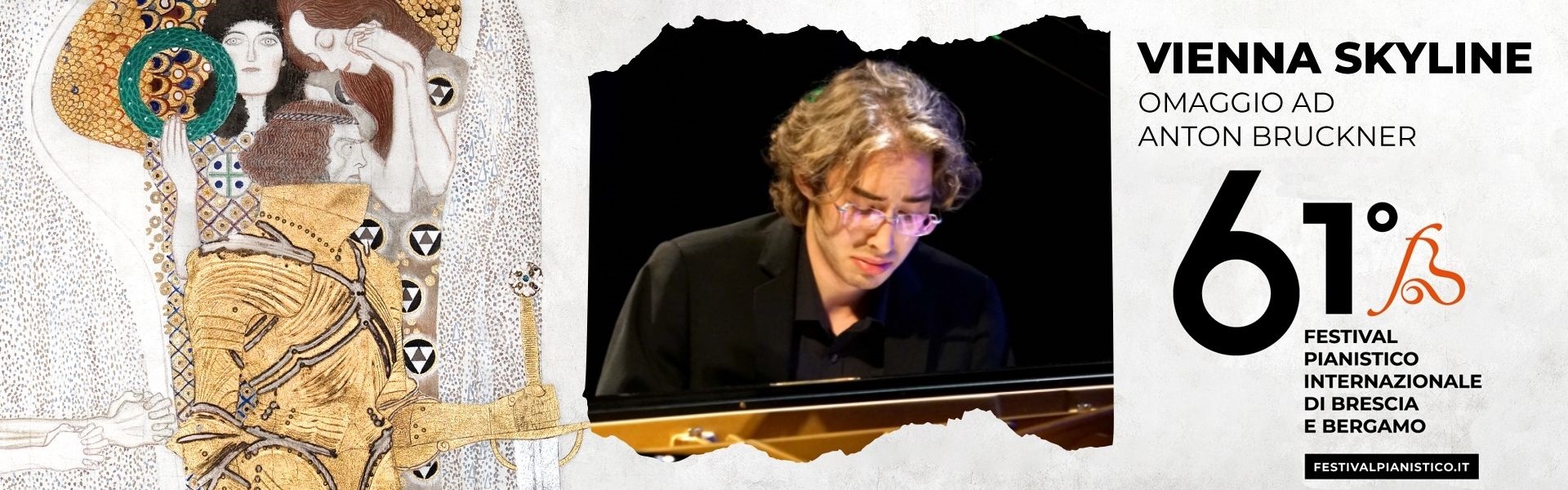
Josef Mossali

FPI BSBG 2024 - 8 maggio

Cos'è?

Mercoledì 8 maggio, alle 20 al 6th Floor Studio di Via Pietro Pasquali 6, è in calendario il concerto pilota del filone "Le Prime", inserito nel contesto del Festival pianistico internazionale BSBG2024.

Josef Mossali si esibirà per la serata in un'interpretazione dei brani: "Studi 2, 7 e8" e "Bottega dell'antiquariato n.1 e 3" di Marco Nodari, svolte in prima esecuzione, "Improvviso n.3" e "Fantasia op.49" di Chopin e "L'isle joyeuse" di Debussy.

Patrocinato da:
Ultimo aggiornamento

03/05/2024, 16:11

Festival Pianistico Int.le BSBG

dal 07 maggio 2024

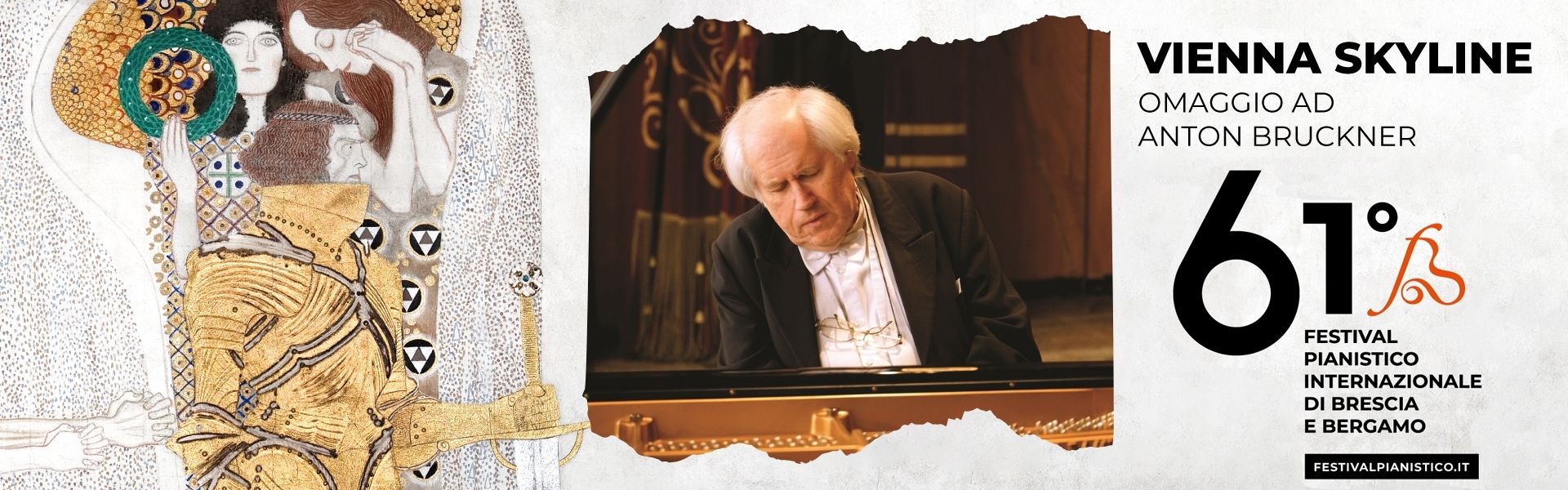
Grigory Sokolov

FPI BSBG 2024 - 7 maggio

Cos'è?

Martedì 7 maggio, alle 20 al Teatro Grande in Corso Giuseppe Zanardelli, nell'ambito del 61° Festival pianistico internazionale di Brescia e Bergamo, si svolgerà il concerto di Grigory Sokolov.

L'artista russo, considerato uno dei massimi pianisti di oggi, eseguirà: "Quattro duetti BWV 802-805" e "Partita II in do min BWV 826" di Bach, "Quattro Mazurche op.30" e "Tre Mazurche op.50" di Chopin e "Waldszenen op.82" di Schumann.

Patrocinato da:
Ultimo aggiornamento

03/05/2024, 16:00

BSPF 2024 al cinema

dal 08 maggio 2024

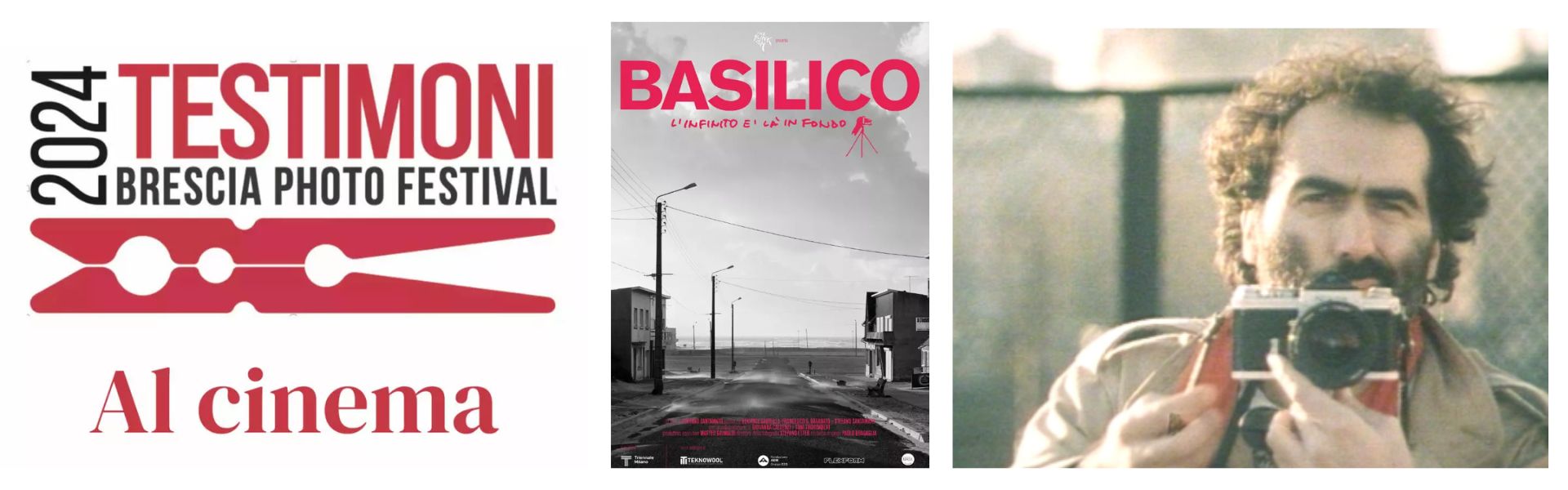
Basilico. L’infinito è là in fondo

CNE BsPF al cinema - 8 maggio

Cos'è?

Mercoledì 8 maggio, alle 21, nella sala 1 del Cinema Nuovo Eden in via Nino Bixio 9, è in programma la proiezione di "Basilico – l'infinito è là in fondo", secondo dei tre documentari del ciclo "Brescia Photo Festival 2024 al cinema", organizzato per esplorare i grandi autori e i temi della fotografia italiana, in occasione di "Testimoni" settima edizione del Brescia Photo Festival.

Il film documentario, girato da Stefano Santamato, ripercorre le tappe principali del percorso umano e professionale di Gabriele Basilico (1944 - 2013). A partire dalle prime foto scattate in gioventù fino ai suoi ultimi lavori degli anni 2000, sono tante le voci che guidano lo spettatore in questo viaggio che riesce a restituire l'arte e la passione di quello che è stato uno dei più grandi fotografi italiani di sempre.

I possessori di un biglietto del Cinema Nuovo Eden possono visitare le mostre temporanee del Brescia Photo Festival con la tariffa ridotta e viceversa.

Patrocinato da:
Ultimo aggiornamento

03/05/2024, 15:40

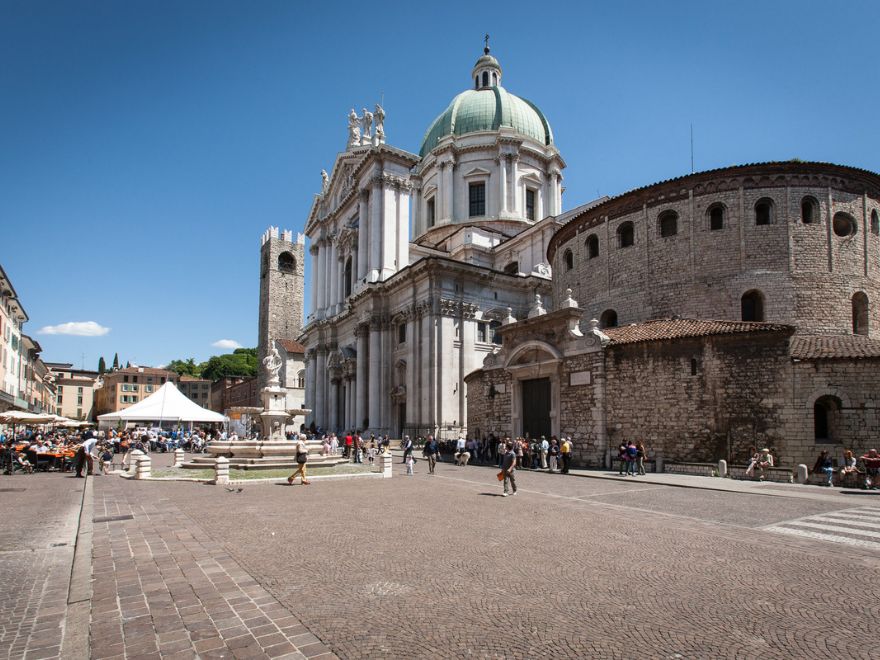
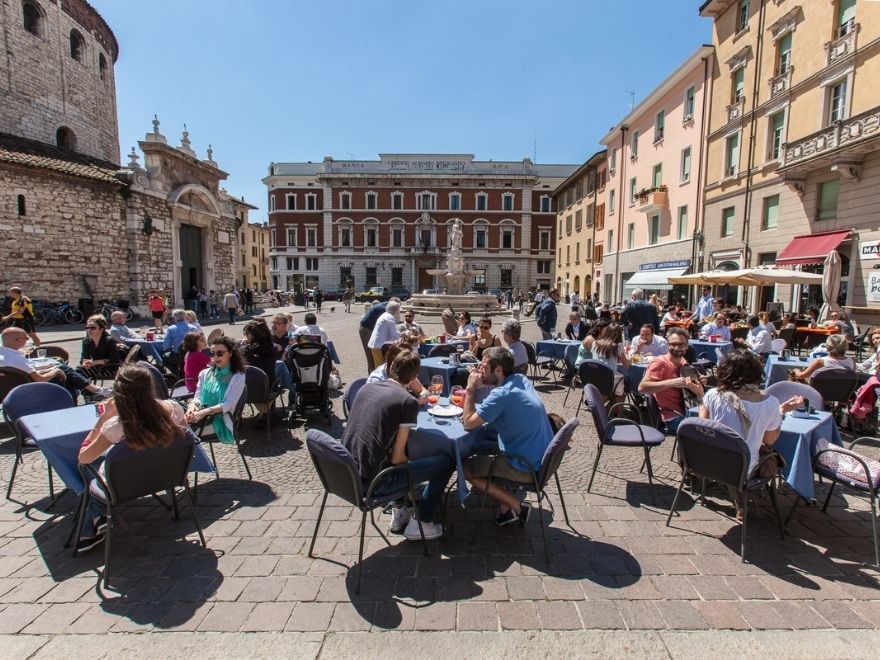
Piazza Paolo VI (formerly Piazza del Duomo)

Dettagli della notizia

Descrizione breve
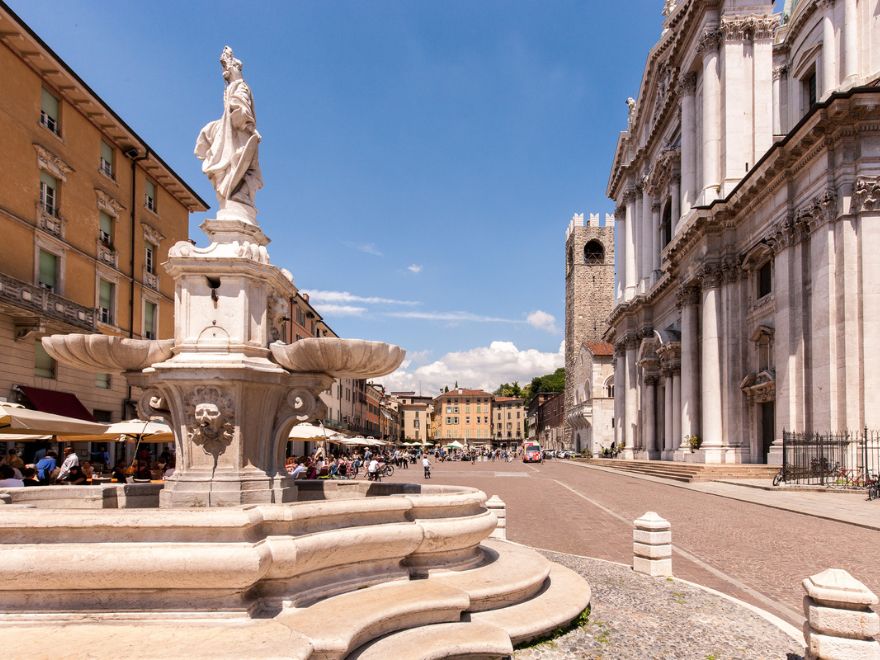
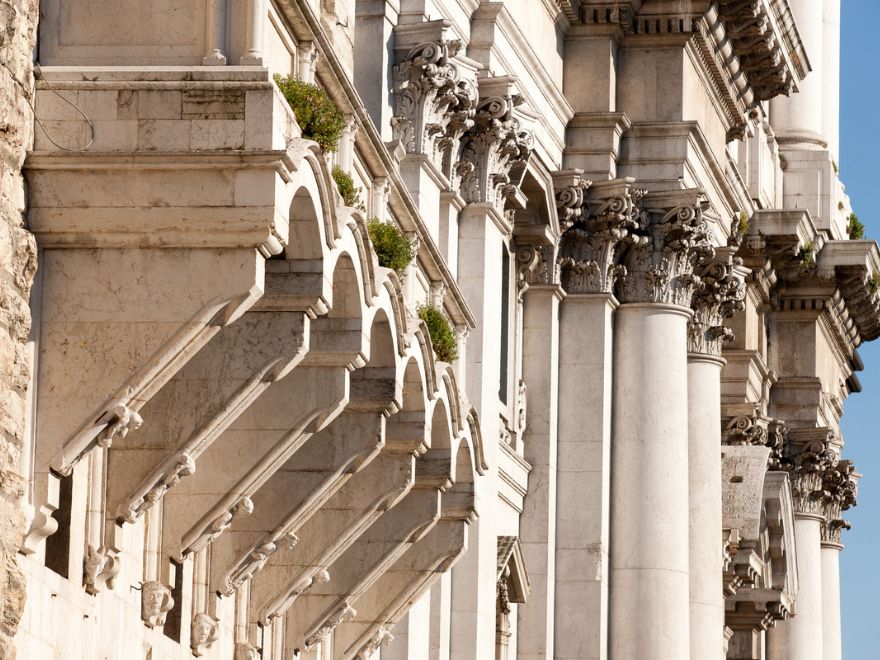
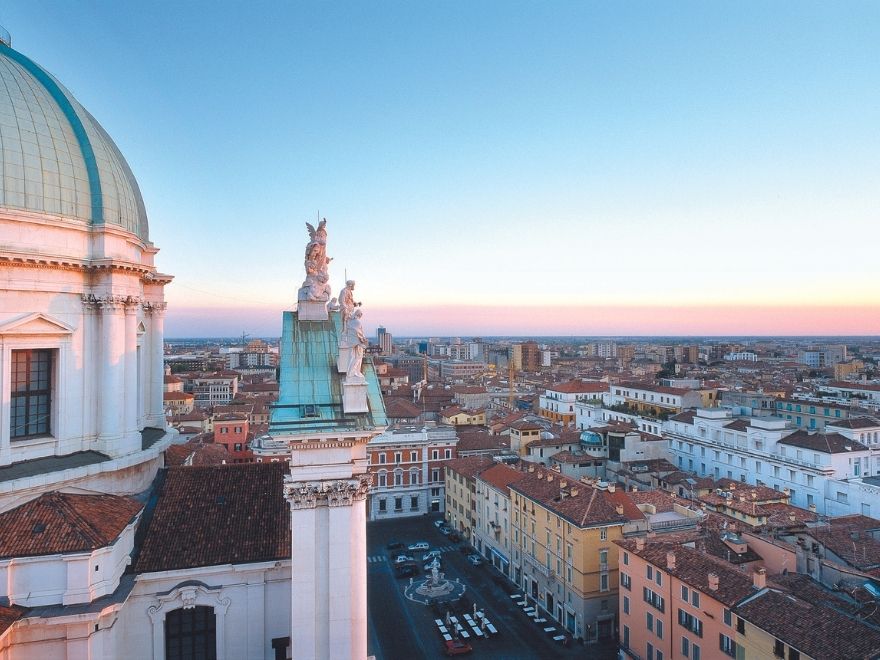
This square, which dates back to the Middle Ages, is the heart of the city; it contains important historical buildings which symbolize the city's concern with civil rights as well as its religious tradition. The palace of Broletto, which incorporates the municipal tower and the loggia delle grida, exteds along the eastern side as well as two cathedrals - the Duomo Nuovo (the New Cathedral) and the Duomo Vecchio (the Old Cathedral).

Tempo di lettura:

2 min

Aree tematiche
Points of interest

Descrizione

Descrizione

The Palace of the Broletto is the oldest municipal building in the city and was the centre of political life when Brescia was a city-state. It has a square ground plan with an internal courtyard which was built in stages from the Middle Ages up to the XVII century, when an open bossed arcade was added to the north side. 

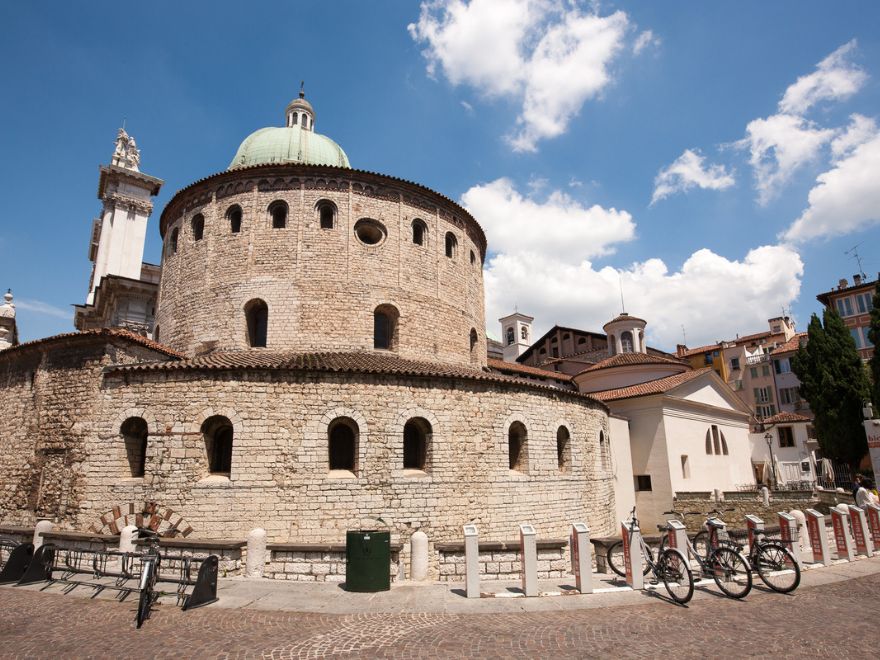
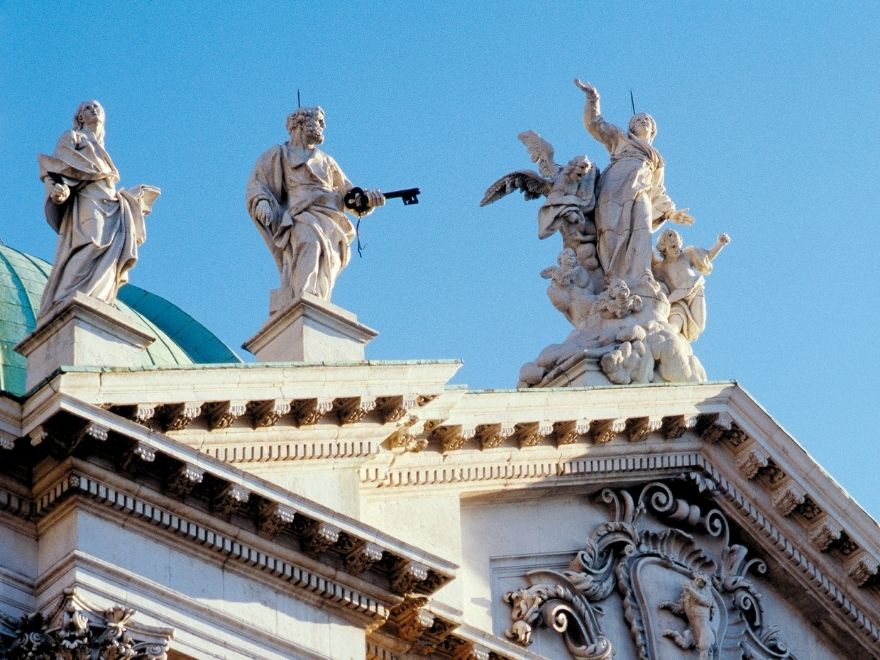
Nowadays the buildings houses the Prefecture, a Police station and the administrative offices of the province and council. The Duomo Nuovo was built between 1604 and 1825: the long history of its construction is reflected in the baroque style of the lower par and the rococo style of its imposing and grandiose facade in white Botticino marble. The Duomo Vecchio, or Rotonda, dating from the XII century, is a splendid example of a circular stone building from the Middle Ages and contains several works of art. The former ground level of the city can be observed around it. 

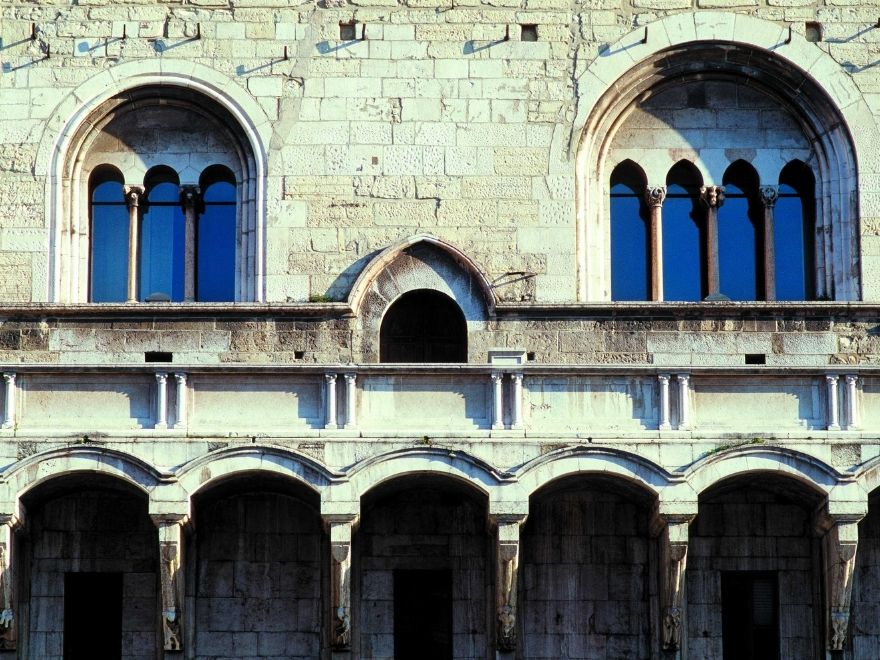
The south side of the square is occupied by the palace of the headquarters of a bank designed by Tagliaferri at the beginning of the XX century. On the west side, opposite the Broletto, the neo-classical palace (1809) with two Ionic columns in the centre should be noted, as well as the House of Camerlenghi, who were Venetian administrators, which has windows with three lights and a medieval arcade. This Arcade leads to the main arcade in Via Dieci Giornate which was built along the edge of the Roman wall. 

Galleria

Ultimo aggiornamento

07/06/2024, 16:42

Piazza della Vittoria

Dettagli della notizia

Descrizione breve
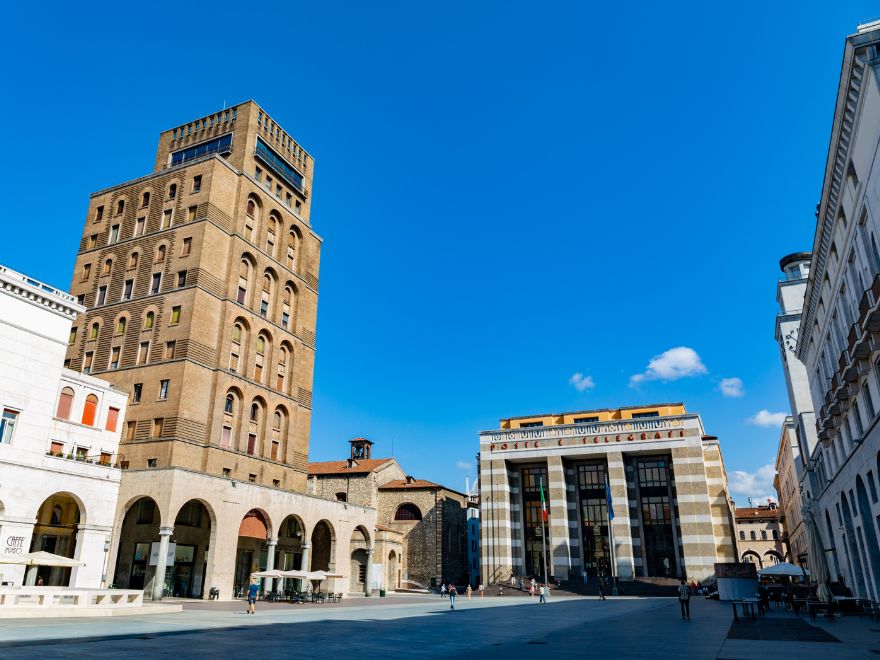
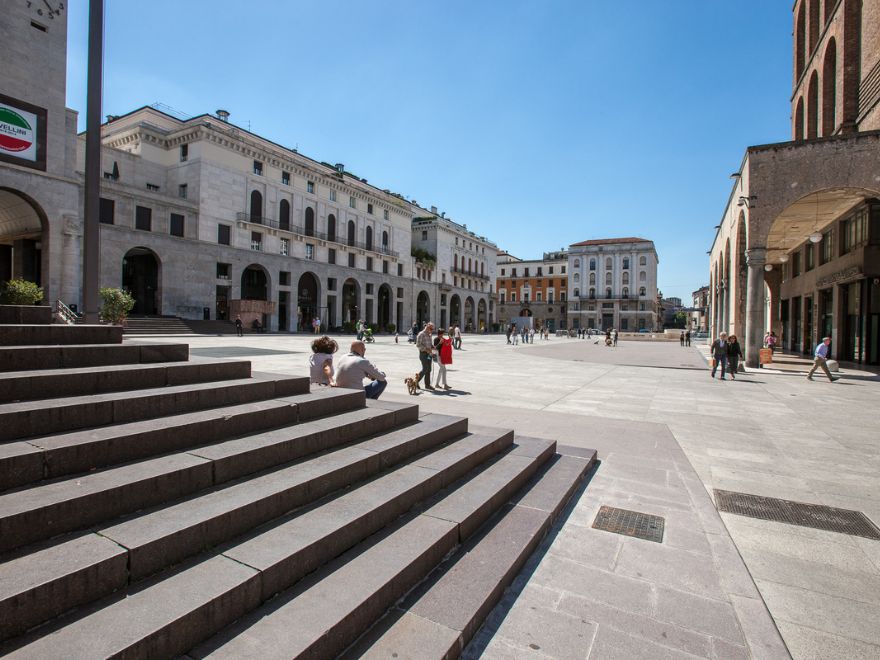
This grandiose square, designed by the Roman architect Marcello Piacentini and inaugurated in 1932, was built on the site of a dilapidated popular quarter which was demolished in order for the city centre to be cleaned up.

Tempo di lettura:

1 min

Aree tematiche
Points of interest

Descrizione

Descrizione

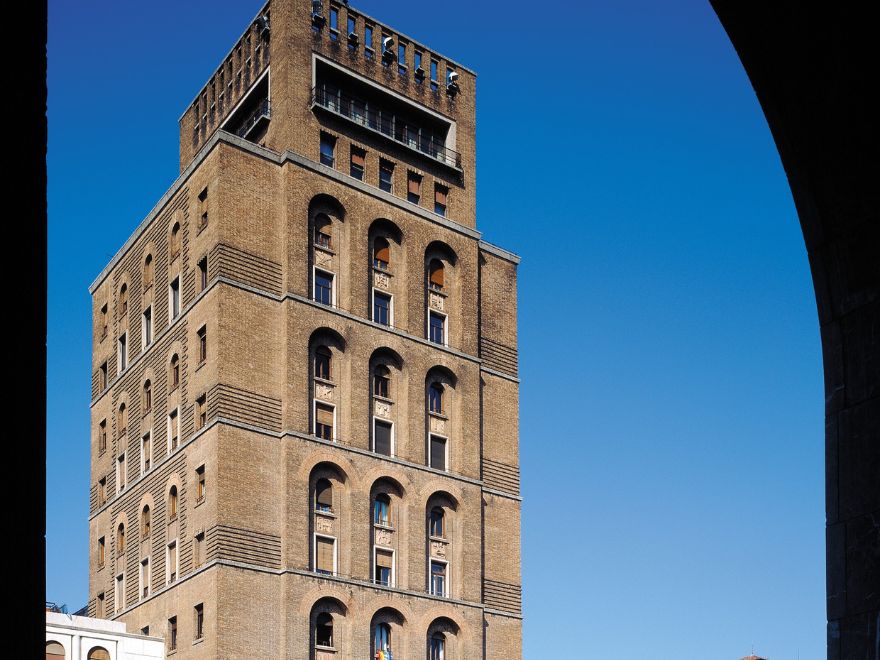
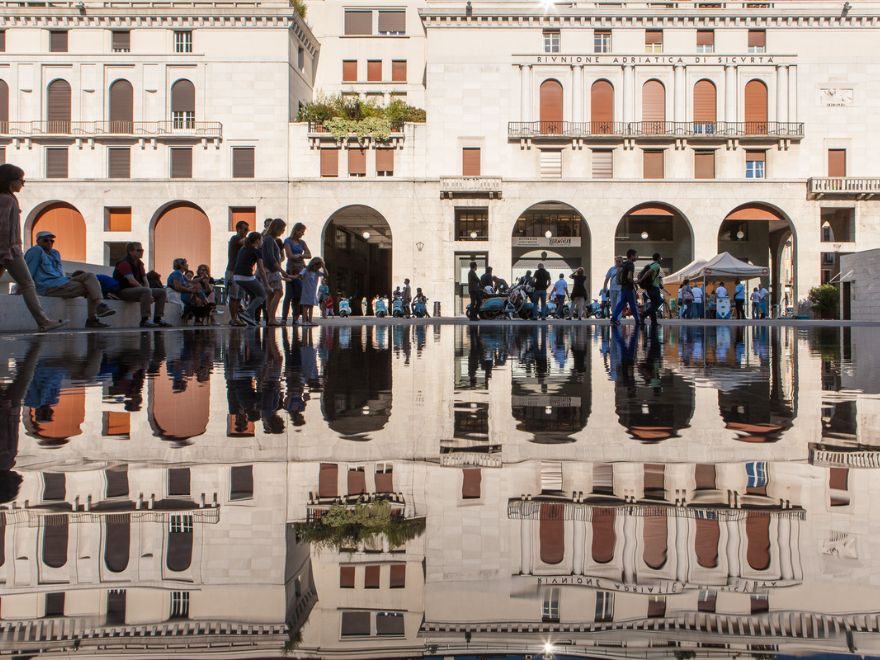
The Post Office building and the brick Torrione (high tower) with its imitation loggias dominate the square. The façades of the buildings, the paving of the Quadriportico and the wide arcade are all made from highly-polished marble in two contrasting colours. 

The Arengario, a red stone pulpit decorated with bas-reliefs, was erected in front of the geometric flight of steps which links the north-east of the square to the rest, which is at a lower ground level: it was used by public speakers during city assemblies. 

Galleria

Ultimo aggiornamento

12/07/2024, 15:50

Piazza della Loggia

Dettagli della notizia

Descrizione breve
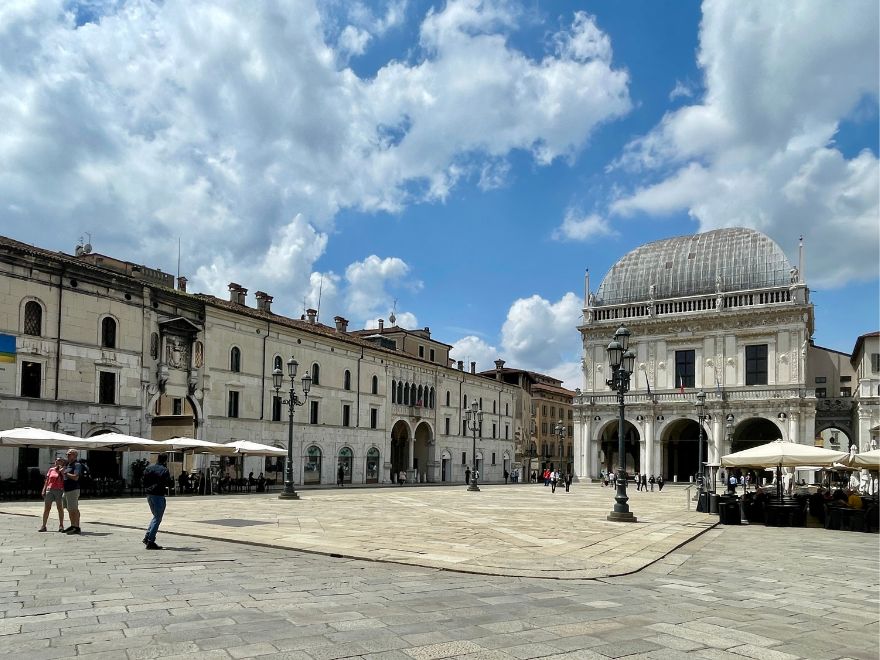
It is one of the most beautiful squares in Brescia and was inaugurated in 1433.
It is dominated by the magnificent Renaissance Palace of the Loggia, nowadays the town hall.

Tempo di lettura:

1 min

Aree tematiche
Points of interest

Descrizione

Descrizione

Its building began in 1492. The upper part was finished circa 1570 to the design of Jacopo Sansovino and Andrea Palladio. The splendid decorative sculpture that adorns the palace is in classical style. 

On the south side, the 15th and 16th century façades of the Monti di Pietà are worthy of note, as tombstones and other pieces of Roman stonework have been set into their walls. 

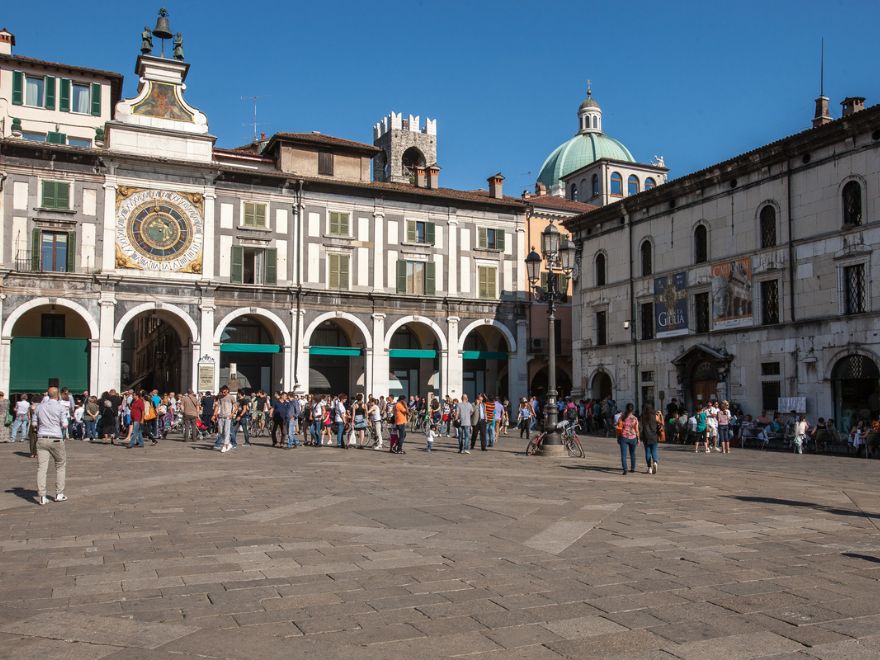
The east arcade is surmounted by a building that incorporates the beautiful sixteenth century mechanical Clock Tower, where two human figures, popularly called: the "Macc dè lé ure" (the hourly dafties), used to strike the hours on the bell. 

Galleria

Ultimo aggiornamento

07/06/2024, 16:50

Palazzo Martinengo

Dettagli della notizia

Descrizione breve
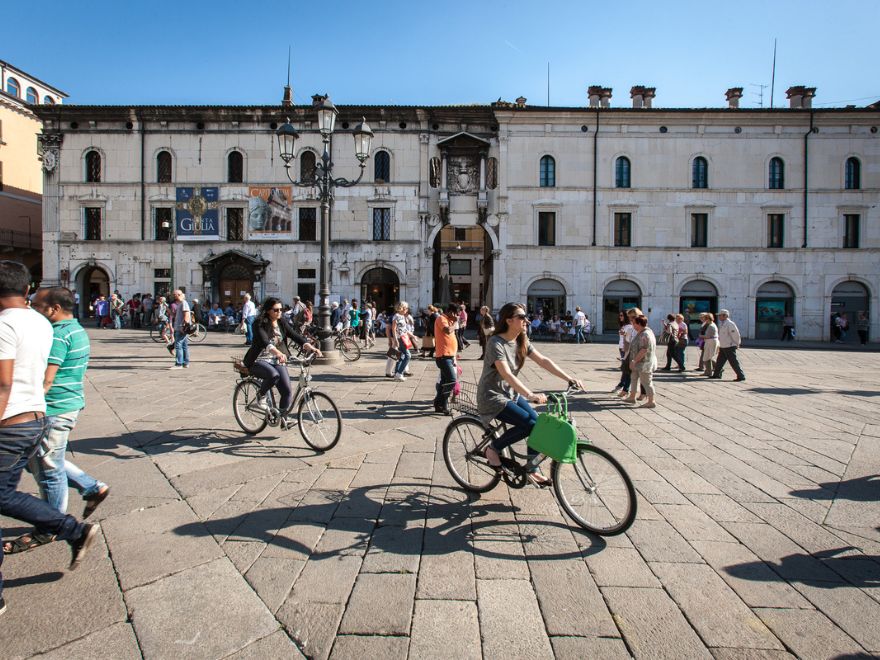
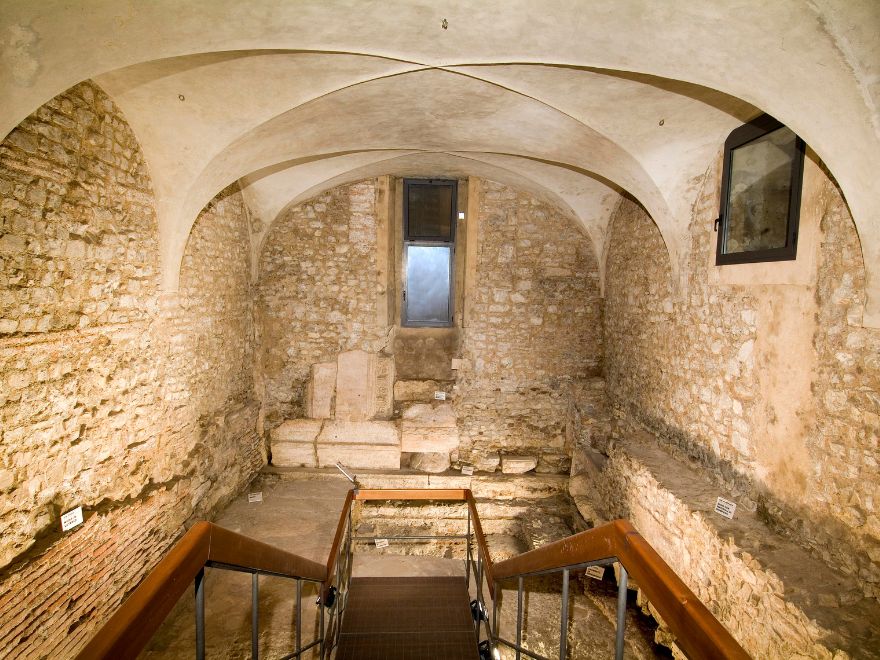
Palazzo Martinengo is an aristocratic building located on the crossing between Via Musei, an ancient Roman road, and Piazza del Foro, where the Martinengo Cesaresco family settled in the 16th century. The severe façades of the two main parts of the building towards Via Musei and Piazza del Foro were designed in the 17th century according to the typical style of the previous century, traces of which can be found on the inside

Tempo di lettura:

2 min

Aree tematiche
Points of interest

Descrizione

Descrizione

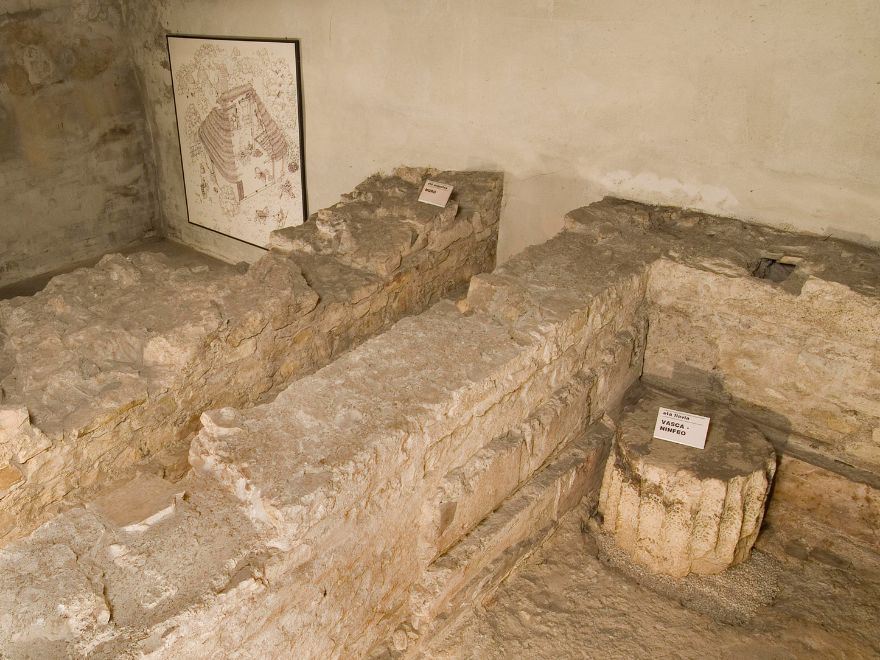
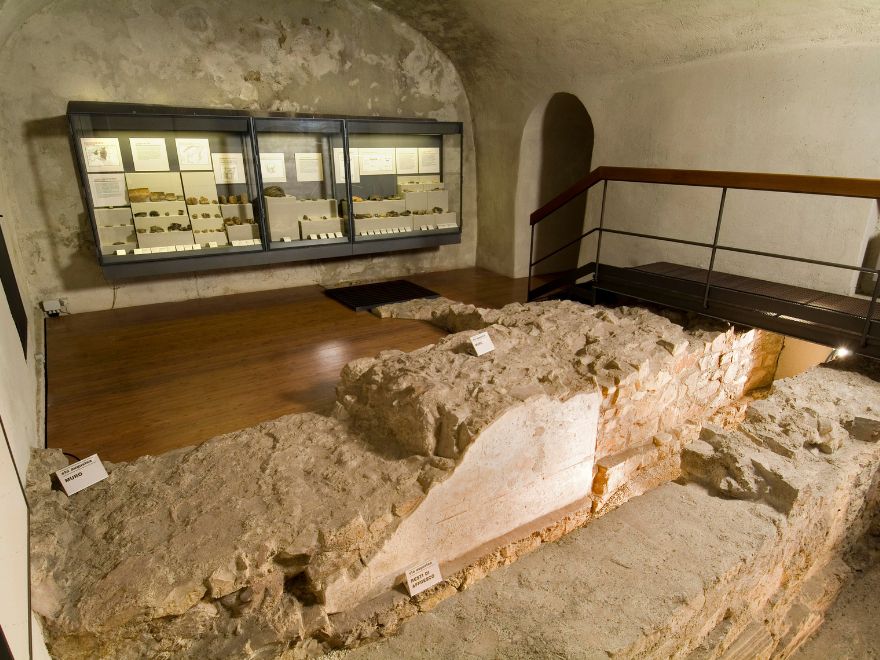
Through the different structures of the various periods that can still be seen in the underground rooms of the building, the visitor can witness the complex building processes that the area had been subjected to between the iron age and the Middle Ages, with the 16th century building then built within a completely different urban plan and a different floor level. 

There are not many other places in Brescia where the visitor can get such a clear idea of the archaeological stratifications and the history of the city. From the current Piazza del Foro through the underground corridors of the building he can make a journey back through almost three thousand years. He is invited to make the journey, and to overcome the inevitable difficulties placed in front of him by the rubble of the ancient ruins. The visitor is required to make a vertical reading of the archaeological evidence in front of him, rather than a horizontal one, which enables him to capture the different time periods deposited one after the other throughout time in one fell swoop. 

Galleria

Ultimo aggiornamento

12/07/2024, 17:01

Tosio Martinengo Art Gallery

Dettagli della notizia

Descrizione breve
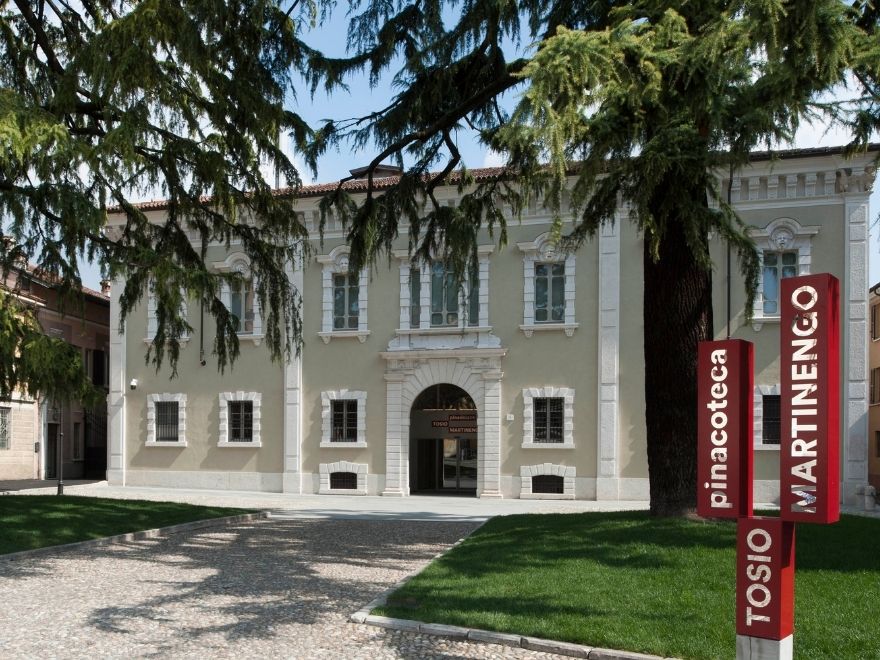
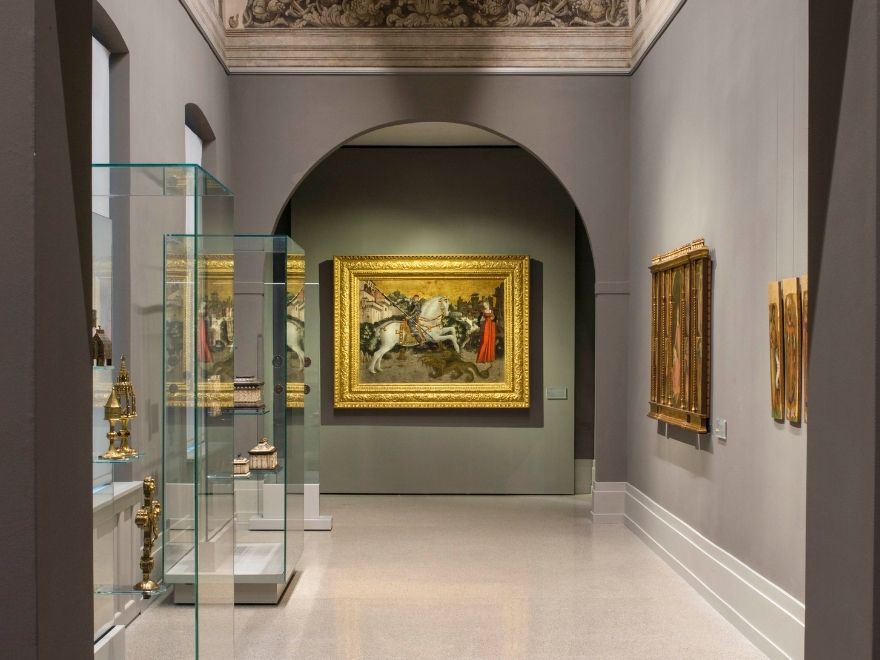
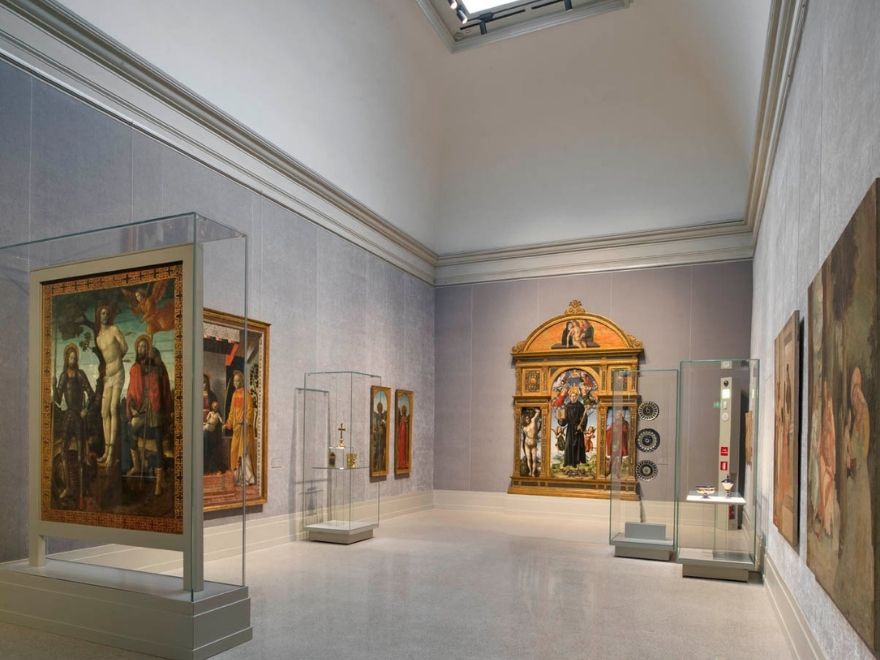
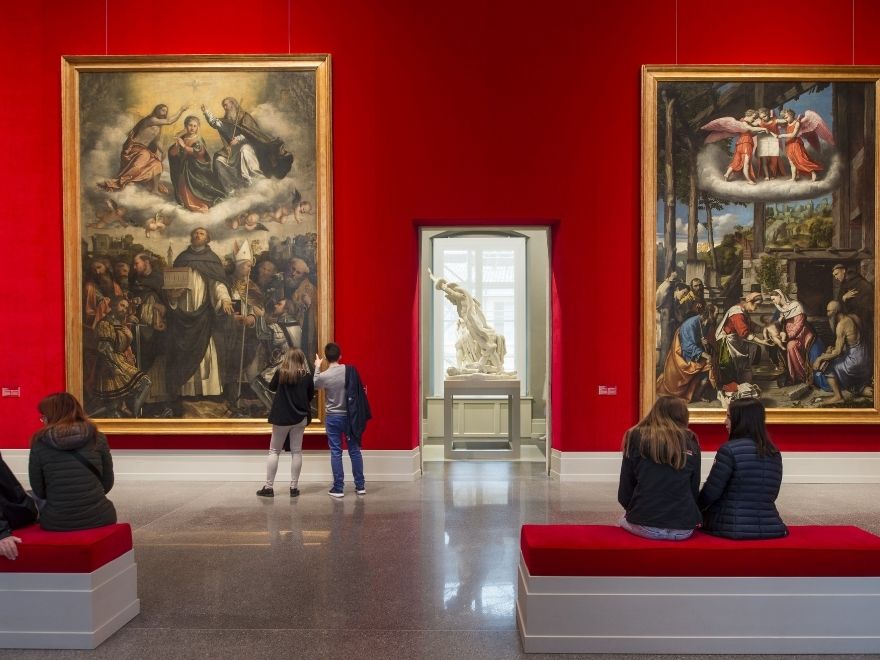
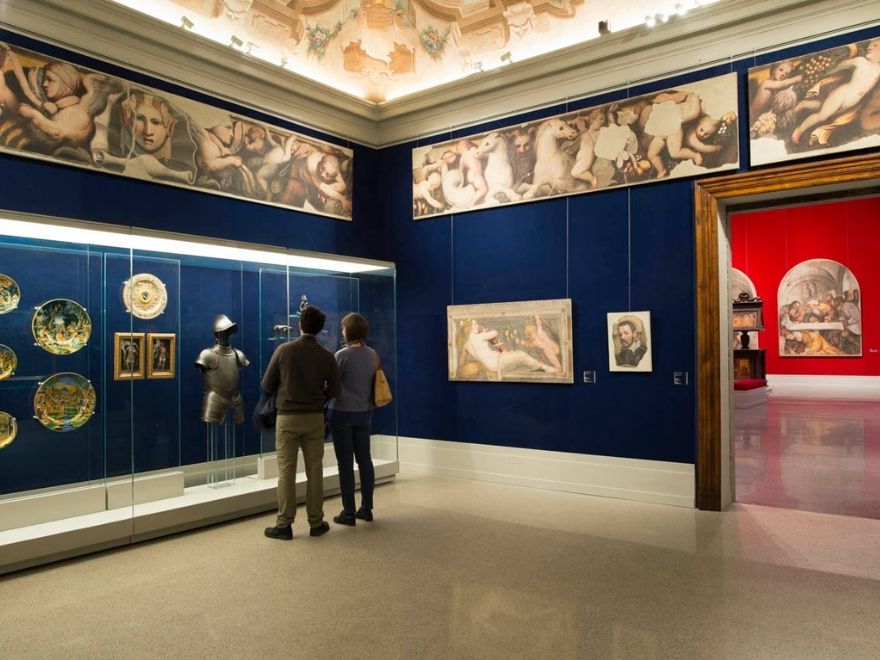
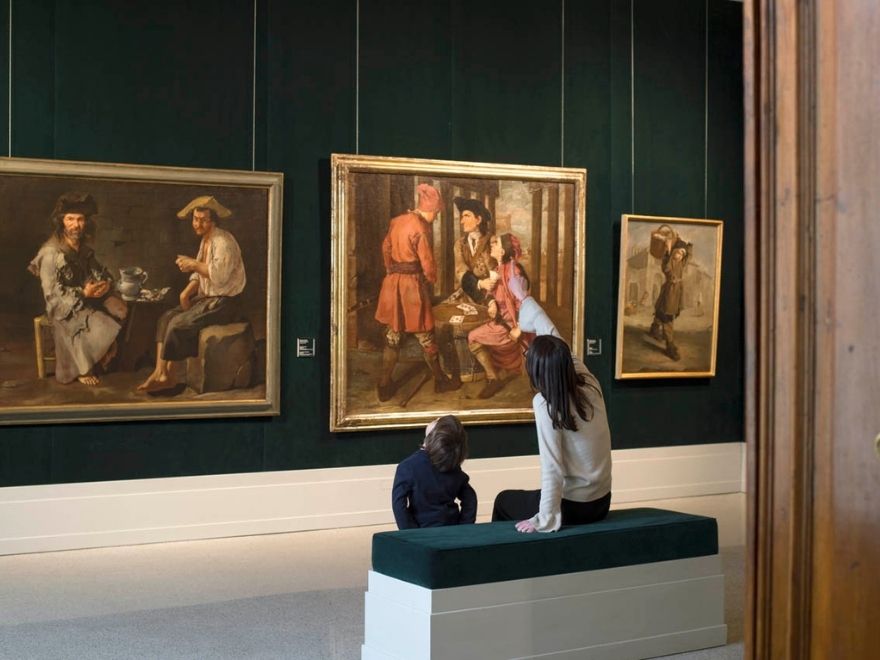
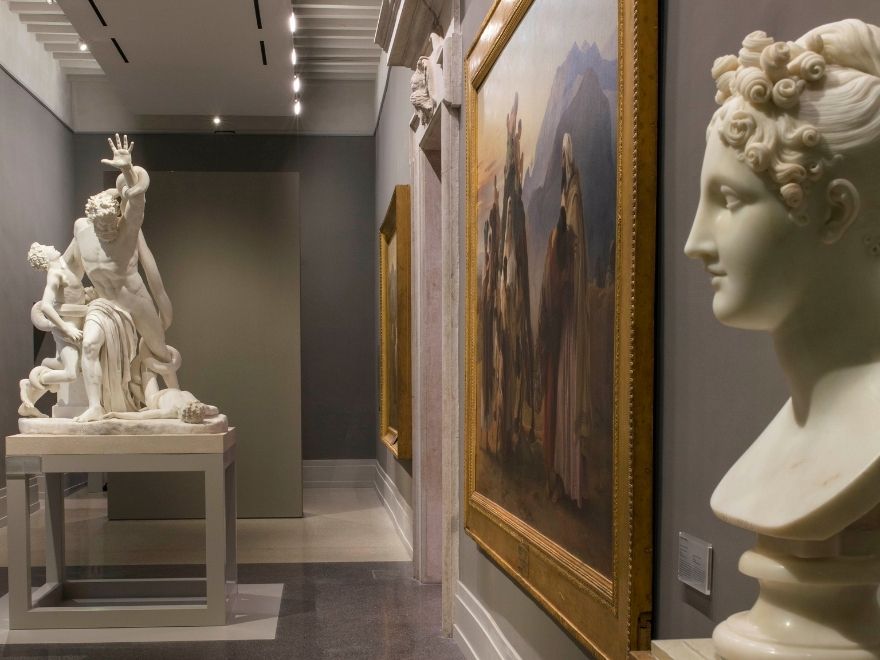
A completely renovated Art Gallery welcomes a precious and selected art collection at the elegant venue of Palazzo Martinengo da Barco, featuring works by Raphael, Lorenzo Lotto, Ceruti, Canova, and Hayez, as well as Brescia Renaissance painters such as Savoldo, Romanino, and Moretto.

Tempo di lettura:

3 min

Aree tematiche
Points of interest

Descrizione

Descrizione

The History of the Tosio Martinengo Art Gallery

The civic art gallery of Brescia originated in Palazzo Tosio, thanks to the rich collections of paintings, sculptures, prints, drawings, and art objects that Count Paolo Tosio donated to the Municipality of Brescia in 1832. A man of broad culture and a poet, Count Tosio hosted a salon in his palace that was frequented by the leading cultural figures of early 19th-century Brescia. In his will, drafted on March 12, 1832, Tosio bequeathed his collections and library to the Municipality so that they would be perpetually preserved for public benefit. The Tosio gallery opened to the public in 1851, maintaining the original arrangement of the works and continually increasing the exhibits thanks to donations and legacies from private collectors.


The Fusion of the Art Galleries

The continuous influx of works necessitated the creation of a second art gallery. In 1884, Francesco Leopardo Martinengo da Barco left his large palace to the city, allowing for a new distribution of over 600 objects from Palazzo Tosio. In 1889, after renovation work by architect Antonio Tagliaferri, the Municipal Art Gallery Martinengo opened, housing works not part of the Tosio legacy. In 1903, the city administration decided to merge the two art galleries into one, located in Palazzo Martinengo da Barco. After thorough reorganization, the Tosio Martinengo Art Gallery was definitively inaugurated on September 27, 1914.


The Tosio Collection: From Raphael to Canova

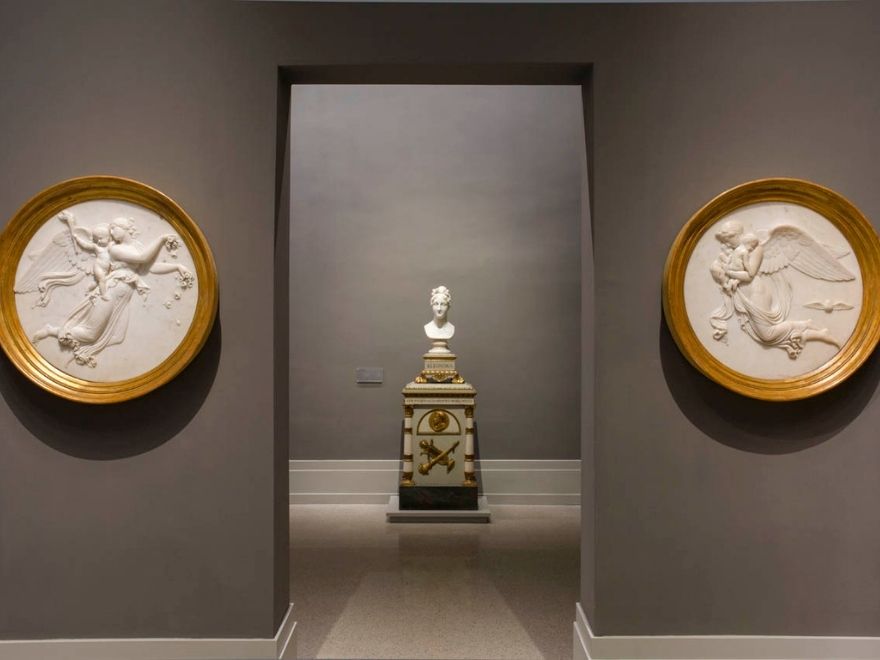
The Tosio collection, known for its ancient painting masterpieces, also includes works by acclaimed contemporary neoclassical artists such as Andrea Appiani, Antonio Canova, Berthel Thorvaldsen, Pelagio Palagi, and Luigi Basiletti. Among the ancient paintings, three works attributed to Raphael stand out: the "Redeemer," the "Madonna of the Carnations" (attributed to the master’s workshop), and a "Portrait of a Young Man" identified as one of the angels from the now-lost altarpiece of St. Nicholas of Tolentino.


The Brescian School of the 1500s

In the first half of the 16th century, Brescia experienced a high artistic moment with artists like Vincenzo Foppa, Savoldo, Romanino, and Moretto. These artists developed an innovative realistic language, with Foppa as the pioneer. Savoldo’s works are characterized by austere figures wrapped in solid drapery and light effects, while Romanino alternates precious chromatisms with a modern and theatrical language. Moretto, finally, combines Raphael’s classicism with a domestic and concrete dimension.


Giacomo Ceruti: A Painter of the 18th Century

Giacomo Ceruti, known as the Pitocchetto, is famous for his realistic representations of everyday life scenes. His works, such as the "Laundress," are characterized by a search for truth and a dignified depiction of characters, using an earthy palette and a poor and realistic style.


The Venetian Glasses of the Brozzoni Collection

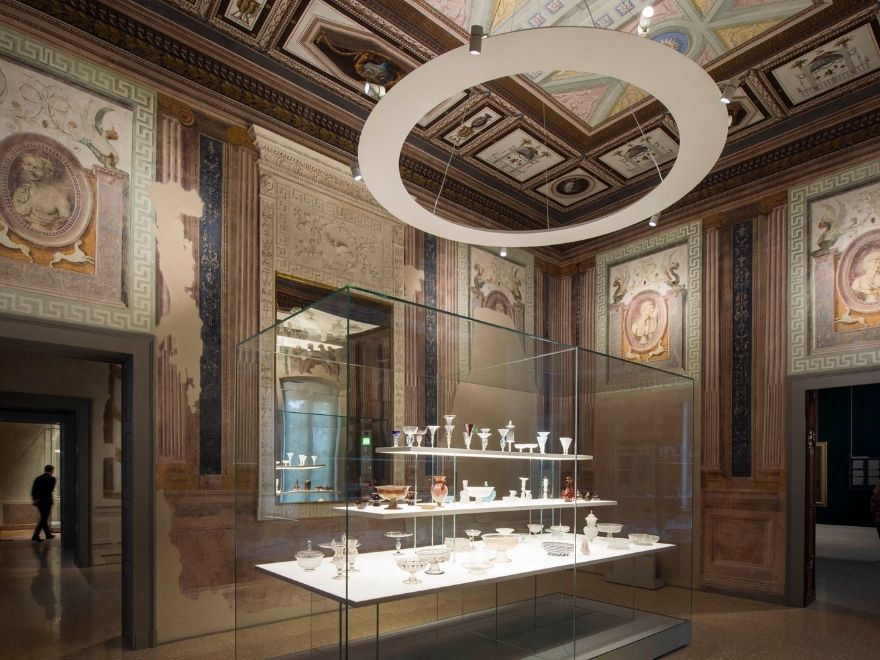
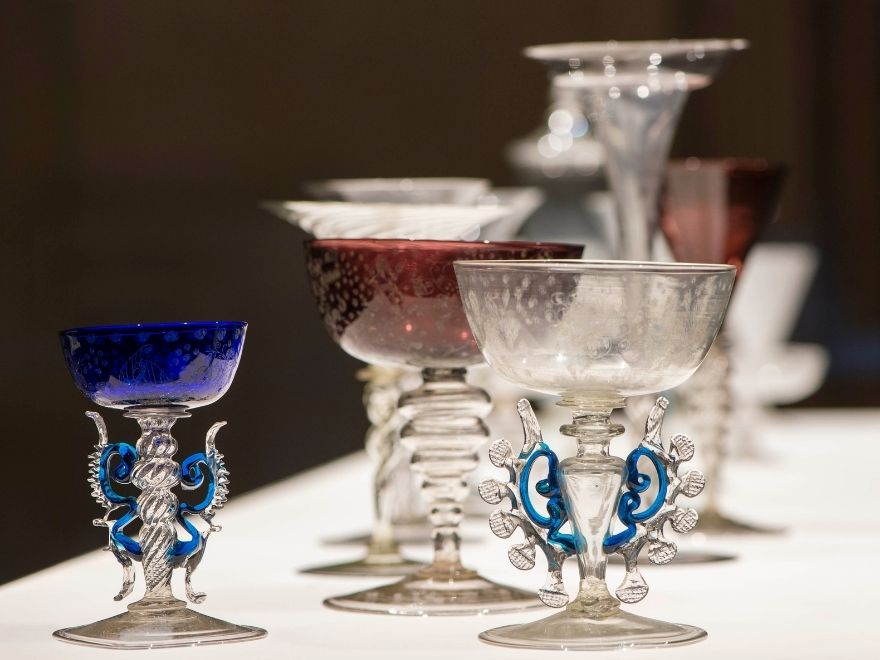
In 1863, the collector Camillo Brozzoni donated to the Municipality of Brescia an art collection that included an extraordinary nucleus of Venetian glass. This collection, displayed in room 13 of the gallery, documents a wide variety of techniques and types of Murano glass production from the 15th to the 18th century. Among the pieces on display are lattimo, blown glass decorated with refined filigree motifs, chalcedony glass, and Baroque glasses engraved with a diamond point.

Galleria

Ultimo aggiornamento

12/07/2024, 12:48

The Luigi Marzoli Arms Museum

Dettagli della notizia

Descrizione breve
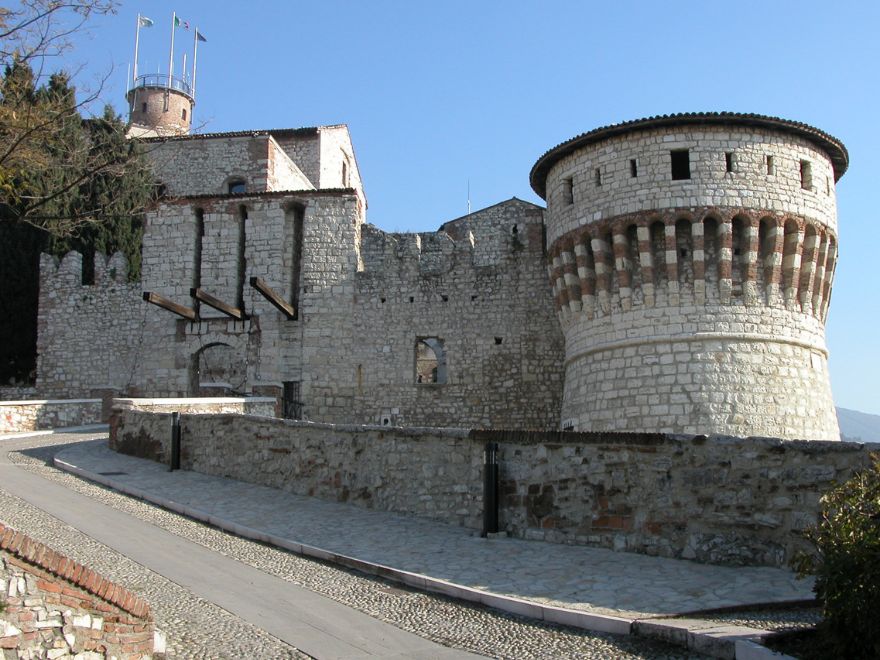
In one of the oldest areas of the Castle, the Mastio Visconteo, a fine 14th-century structure and a significant monumental survival of the Cidneo Hill's defensive system, lies the Luigi Marzoli Arms Museum. Inaugurated in 1988 with a setup by Carlo Scarpa, it houses one of the richest European collections of ancient armor and weapons.

Tempo di lettura:

3 min

Aree tematiche
Points of interest

Descrizione

Descrizione

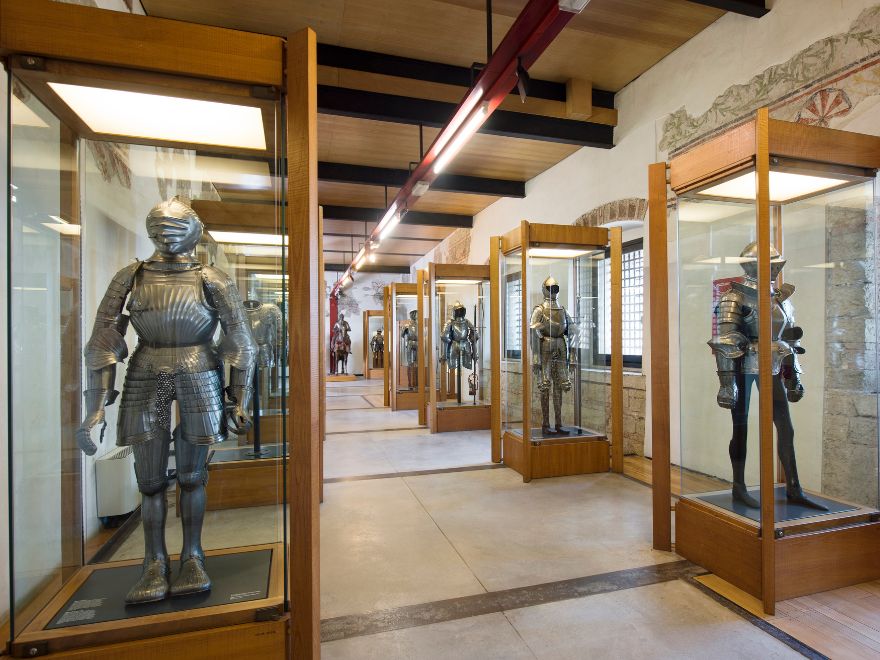
Bladed weapons, firearms, and armor not only tell the long-standing tradition of Brescia in weapons production but also reconstruct, through an exhibition path of 580 pieces (part of the total 1090 pieces bequeathed by the industrialist Luigi Marzoli), the history that is both warlike and artistic enclosed in the armory objects, particularly from Milan and Brescia from the 15th to the 18th centuries. In addition to the core collection, there are another three hundred pieces belonging to the Civic collections, especially 19th-century firearms.

Through a path of ten exhibition rooms, the Museum traces the history of craftsmanship that borders on art, starting from the meanings of armor in the 15th century, the century of heavy cavalry, where helmets and breastplates became strategic elements. Among the most significant and rare pieces are a large Venetian-style helmet and the bascinet with a dog's muzzle visor, as well as a 13th-century sword, the oldest piece on display.

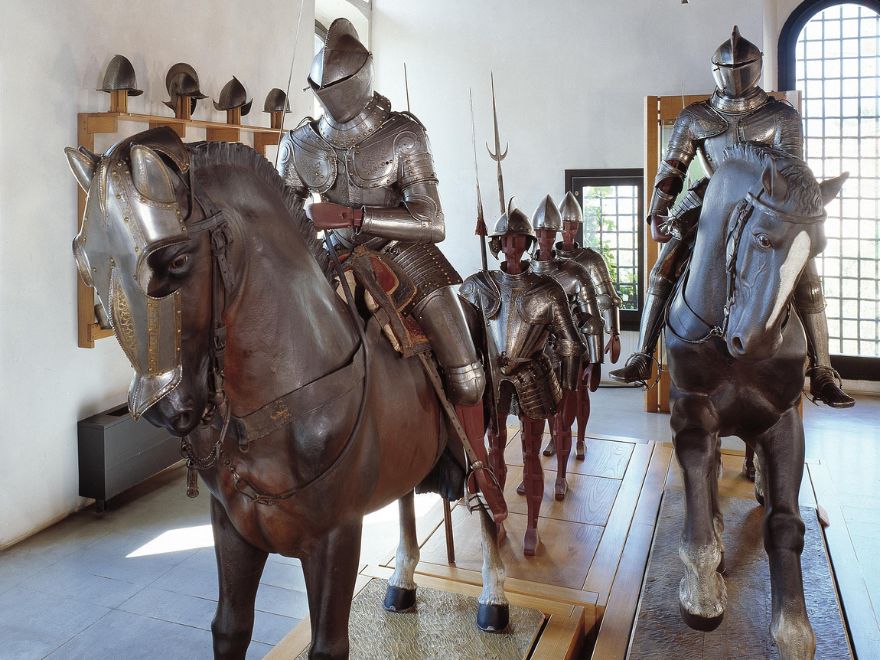
There is a broad representation of 16th-century weapons, where offensive tactics changed, and the construction of moves in battle became increasingly dynamic, requiring more comfortable and lighter armor, such as the superb Maximilian armor, with its shiny, almost theatrical contours. Alongside the battlefield requirements, the Museum's rooms also reveal the parallel purpose of representation and social recognition that weapons and armor began to acquire in public parades as a display of ostentation and admiration. This is evidenced by the evocative reconstruction, in the so-called Moose Room, of the two escort squads of the knight, composed of foot soldiers and horsemen, armed with halberds and partisans, which enhance the overall sense of spectacle. Aesthetic taste never abandons the craftsman's hand, sometimes even taking precedence over technical needs, as in the two parade shields featured in the Hall of Luxury Armor: shields, one of which is signed and dated 1563, are admirable for their embossed work with gilded sections and the refined subject of the Triumph of Bacchus, making them true works of art.

The historical-artistic journey, listening to what the weapons tell, also includes the evocative history of the sword, which evolved from a mixed weapon, both thrusting and cutting, to become a thin instrument for fencing, as documented by the examples on display from the mid-16th to the 18th century, increasingly functional and designed to protect the contender's hand.

Among halberds, cannons, muskets, and arquebuses, a dedicated section of the Museum is devoted to the rich representation of firearms, made by the most famous barrel masters such as the Cominazzo, Chinelli, Dafino, and Acquisti families. Original both for the study of the mechanisms of igniting gunpowder and for the decorations, the weapons on display, whether of Brescian or foreign manufacture, represent an unusual mirror of a work of artisanal engineering over the centuries.

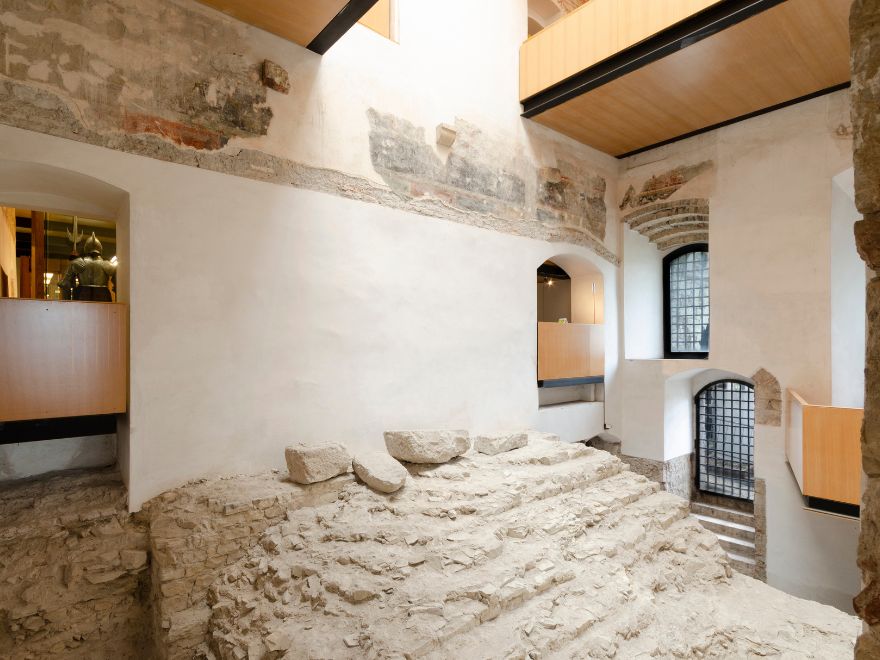
For lovers of architecture and ancient art, a visit to the Arms Museum allows one to appreciate portions of frescoes from the Visconti era that decorate the rooms of the Mastio, the only testimony of the defensive structure given to the fortress in the 14th century. Creating an evocative exhibition context is also the coexistence of a Roman temple from the 1st century AD, on which the building stands, with its visible perimeter of foundations and a wide staircase, remnants of the various temples that stood on the Cidneo, a prestigious acropolis for the Roman era.


Galleria

Ultimo aggiornamento

12/07/2024, 15:51

Santa Giulia Museum

Dettagli della notizia

Descrizione breve
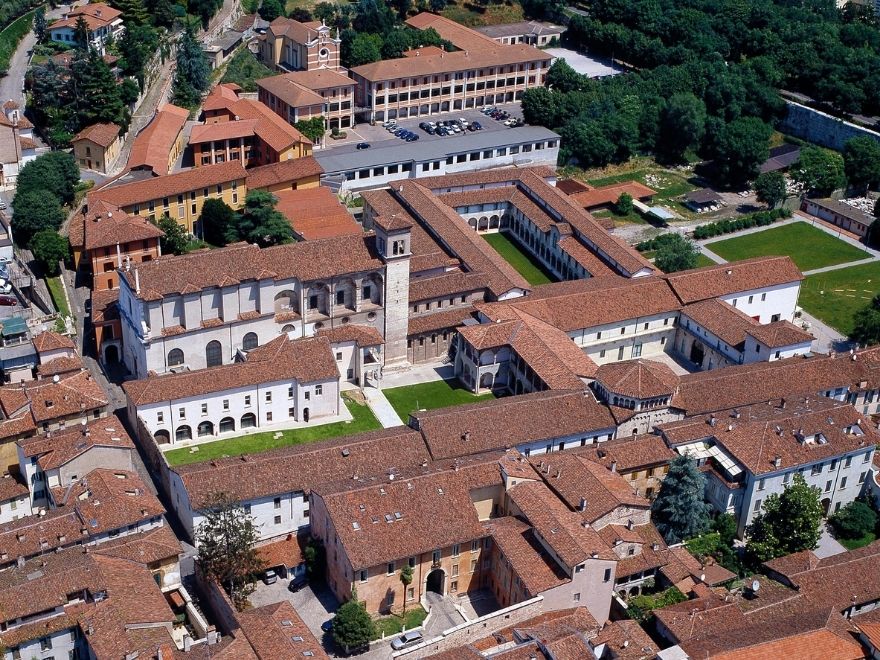
The convent of San Salvatore, later named after Santa Giulia (915) was founded at the wish of King Desiderius and his wife Ansa in 753 AD, and built on a particularly rich archeological site (the remains of Roman domus have been found under the basilica of San Salvatore and in the kitchen garden of Santa Giulia. Considerable enlargement and reconstruction over the centuries produced a building constructed round three cloisters, as it is today.

Tempo di lettura:

6 min

Aree tematiche
Points of interest

Descrizione

Descrizione

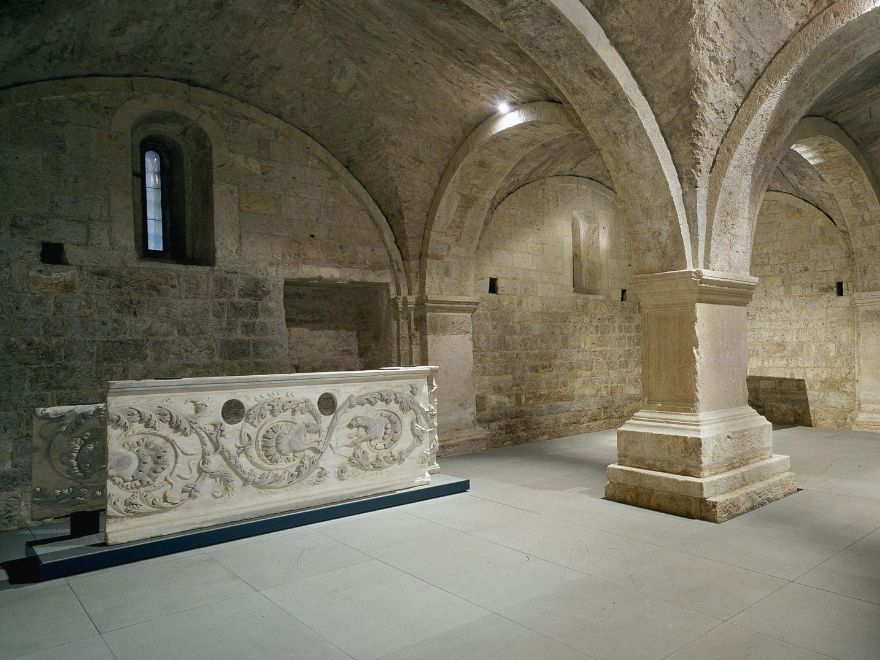
Major alterations were made in the time of the city states (XII century: rebuilding of the cloisters, enlargement of San Salvatore's crypt, building of Santa Maria in Solario) and in the late XV century (complete rebuilding of the cloisters and addition of the north cloister of dormitories, raising of the nuns' choir and repositioning of the front of the church of San Salvatore, which was in turn destroyed and completely redesigned when the new church of Santa Giulia was built in 1499). 

The Benedictine convent is where Desiderius' daughter, Manzoni's Ermengarda, after being repudiated by Charlemagne, took refuge until she died. The convent thrived and became one of the richest and most important in northern Italy, with estates all over the peninsular, also thanks to bequests from its nuns, who often came from aristocratic families. It was dissolved in 1798 under Jacobin revolutionary legislation, then turned into a barracks and deprived of its property. Its progressive dilapidation was halted in part when in 1882 The Museum of the Christian Era was set up in the three buildings, but it was only in 1966 that proper restoration work began when the town council acquired the whole area. Now the complex has returned to its original glory and houses the City Museum. 

A visit to the museum begins in the underground part of the convent, in the past used as cellars and storerooms; the settling of Brescia and its surroundings from the Bronze Age up to Roman times is the theme here. The oldest exhibits, which come from the south side of the town, go back to 3000 BC and refer to the period when the inhabitants became farmers and craftsmen. 

The Roman period is well represented in all its aspects, both in public and private life. In Vespasian's time Brescia was given a monumental centre with Capitolium, basilica and theatre grouped round the forum. Relief models, videos and archeological finds  enable you to picture the buildings that contained the famous bronzes discovered on July 20, 1826 in the cavity between the rear wall of the Capitoline Temple and Cidneo hill, and probably all used in the temple. The most famous is the "Winged Victory"  possibly Venus originally before being transformed in Vespasian's time, when it became an imperial votive offering. There are also some fine gilded bronze heads of Roman emperors. 

The private domus display is next to the section dedicated to public buildings, with frescos and mosaics (those coming from the sumptuous villa of San Rocchino are particularly fine) and everyday household objects. This sector is unique in its inclusion of the remains of a house found under the convent garden. 

The arrival in Brescian territory of Germanic peoples: Goths, Lombards and Carolingians, marked the passage from late Roman to early medieval art. The appearance of the city changed enormously as Roman public buildings were abandoned and poor mud and wood houses were built, while large areas of the town became farmland. It was during this period that the convent of San Salvatore was founded and it quickly took on an important religious, political and economic role as a gradual return to civil life began. 

The medieval section begins with exhibits connected with the period when Brescia was a city-state, above all with objects from buildings which no longer exist.The frescos from the Broletto, the marble San Faustino on horseback from Porta Pile and the fountain statue of Berardo Maggi from the convent of San Barnaba should not be overlooked. 

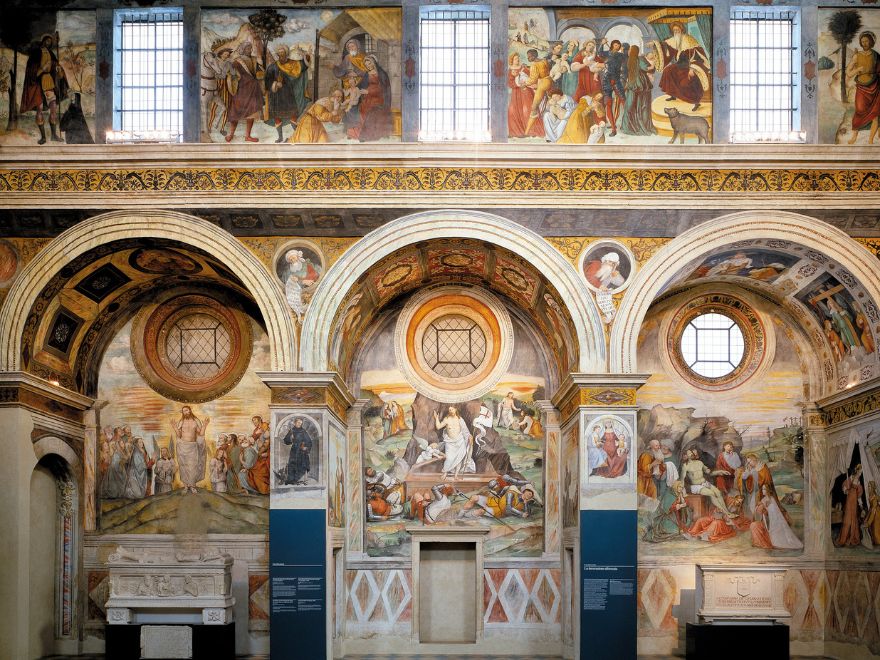
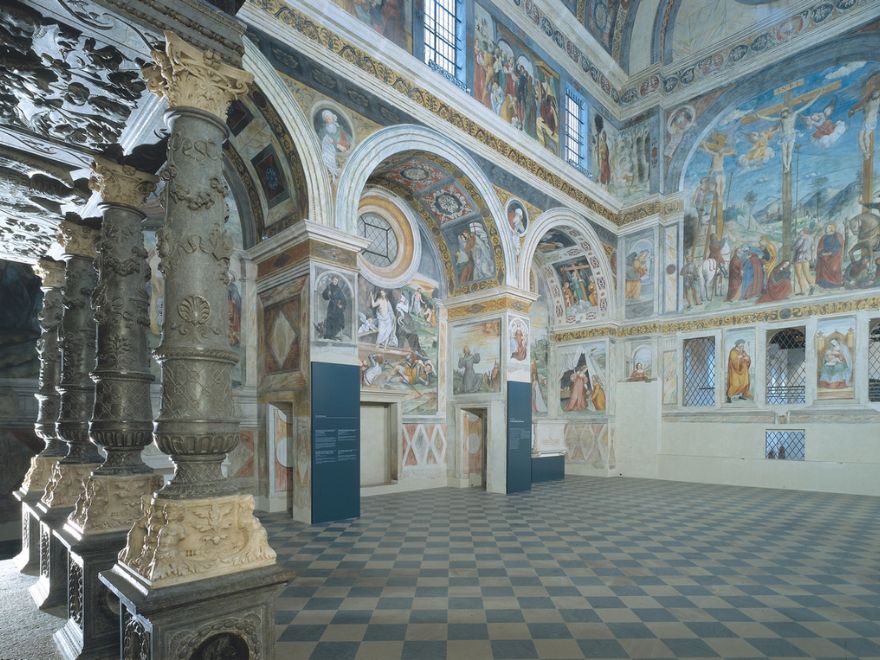
 The visit  continues in the church of San Salvatore and the old  XV century refectory, a huge room divided into two by massive pillars down the middle, it is here that material from monumental buildings in the city is on display, illustrating the period from late Gothic to Renaissance. 


In the IX century a new church was built on the foundations of the first one dating from the VIII century, it was 40 metres long and had a nave and two aisles divided by pillars with fine capitals. In the second half of the XVI century the front of the basilica was demolished, when the nuns' new choir was built, - the choir is now the chancel of the church of Santa Giulia. The remains of stucco-work in the nave and north aisle date back to the IX century. Part of the right-hand aisle is taken up by the base of the bell-tower, which was erected between the XIII and XIV century. Its lower part was later decorated by Romanino (XVI century)  The chapels on the north side are all decorated: the second one has frescos of the Lombard school dating from 1350 - 1375 and in the first one there is a series of XVI century frescos. The apsidal area of the crypt belonged to the first church and fragments of VIII and IX century frescos can be seen here. In the XIII century it was enlarged and columns with interesting figured capitals in the style of Antelemi, were added. 

The next part of the museum is on the upper floor, where there are two sections dedicated to the applied arts, laid out in tune with the style of home or the collector's taste. The splendid series of frescos painted by Moretto as a young man for Bishop Mattia Ugoni's residence are particularly interesting. 

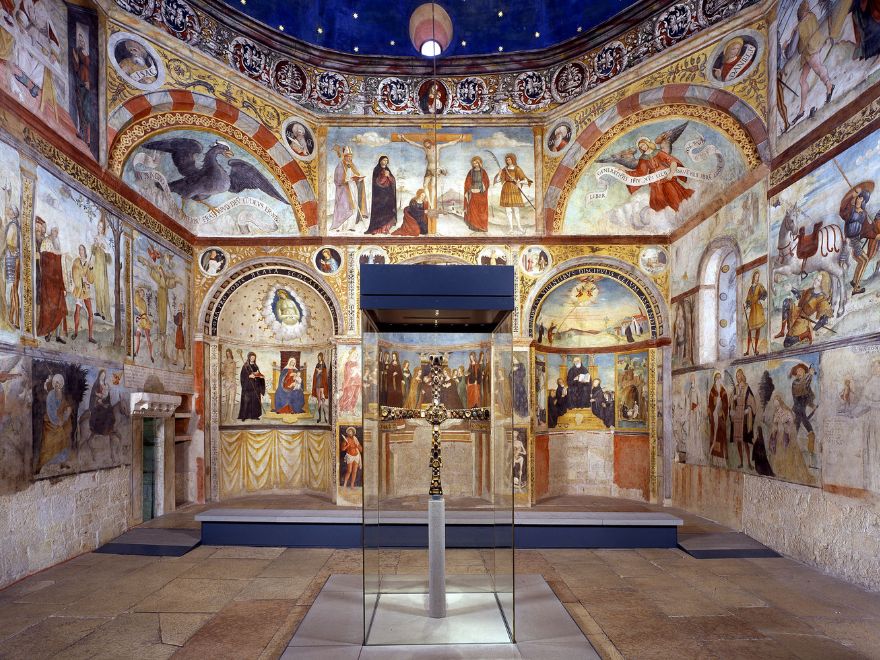
The corner-stone of the next section is Santa Maria in Solario, a XII century votive chapel that was used as the "oratory" of the convent. On top of the square-shaped construction there is an octagonal lantern with a closed loggia. There are two floors joined by a stone staircase built in the thickness of the wall. The lower floor has a Roman altar stone dedicated to the Sun god in the middle, on which the central pillar of the room rests. The upper floor, under the cupola, is completely frescoed, for the most part by Floriano Ferramola (XVI century). The treasure of Santa Giulia is on show here, consisting of: the Lipsanoteca (an ivory reliquary case decorated with scenes from the Old and New Testaments) and the great wooden cross of King Desiderius (IX century goldsmith's work, covered in jewels, rare cameos and painted glass - including the famous triple portrait from the IV century). 

The complex of San Salvatore-Santa Giulia is on the UNESCO World Heritage List since 2011. 

Galleria

Ultimo aggiornamento

12/07/2024, 12:38