Street Art

Dettagli della notizia

Descrizione breve
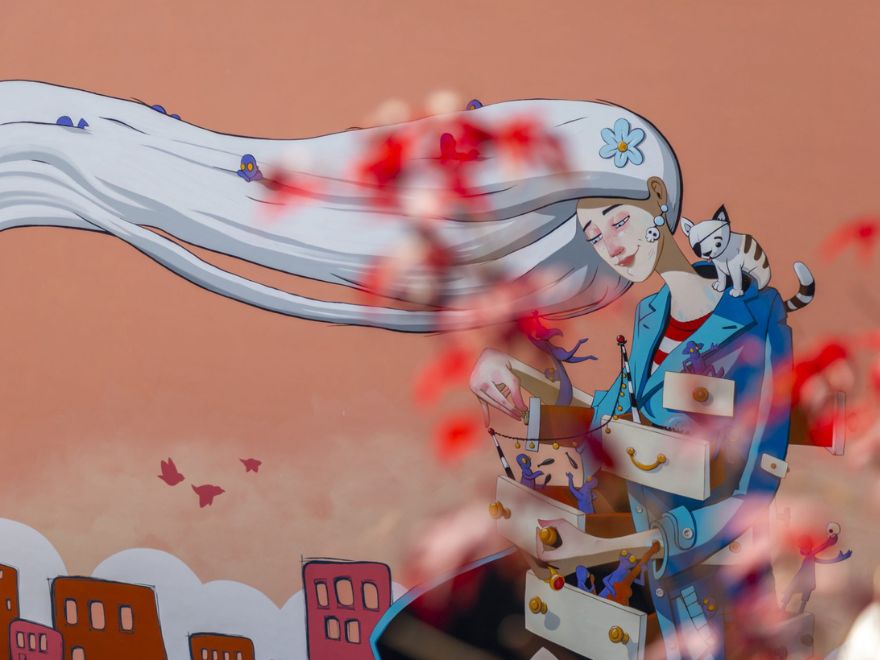
A Brescia le opere di street art si estendono su un territorio molto ampio all’esterno del centro storico, tra Sanpolino, San Bartolomeo, Violino e Lamarmora, facilmente raggiungibile con i mezzi pubblici e le piste ciclabili. Un grande impulso alla creazione di murales e arte urbana è stato dato da Link, il festival di arte urbana organizzato dall’Associazione True Quality, e da MAUA, con nuove 28 opere di street art in realtà aumenta. Un museo diffuso a cielo aperto per scoprire itinerari cittadini fuori dal centro e dai circuiti ordinari dell’arte.

Tempo di lettura:

6 min

Aree tematiche
Punti di interesse

Descrizione

Descrizione

Futura traditio” di Vera Bugatti e Fabio Maria Fedele, 2021, via Lino Angelo Pisa 

L'opera rappresenta la fusione tra l'immaginario artistico dell’autrice e le narrazioni articolate fornite dagli artigiani, esplorando il complesso rapporto tra tradizione e innovazione. L'opera, un'enorme anamorfosi di Bresciadue (320 m2), è frutto della collaborazione con Fabio Fedele per l'Associazione Artigiani, donata simbolicamente alla città. 

Il dipinto proietta due imponenti figure all'interno di una cornice architettonica, suggerendo che emergano da una stanza virtuale. La prospettiva anamorfica richiede di fotografare l'opera da un punto laterale indicato a terra e camminare lungo la via per apprezzarne appieno la deformazione del disegno su una lunghezza di 30 metri. 

Il titolo, "Futura Traditio", gioca sull'ossimoro tra tradizione tramandata e il futuro, rappresentando la tradizione come un concetto filosofico dinamico e attivo attraverso le generazioni. Due personaggi, un anziano artigiano e una giovane donna con strumenti "4.0", simboleggiano tradizione e innovazione, con sguardi che richiamano l'osservatore dalla strada. 

La trasmissione dei saperi è rappresentata dal passaggio di una scatola tra i due personaggi, simboleggiando la continuità e la mutua assistenza. Sullo sfondo, silhouette nere rappresentano gli artigiani del futuro, mentre figure bianche sopra la finestra simboleggiano i lavoratori del passato. 

L'opera, inizialmente prevista per la primavera 2020, è stata ritardata a causa della pandemia. Bugatti ha anche inserito con attenzione il tema del Covid-19, emergendo simbolicamente da una scatola degli attrezzi, con mascherina e guanti sgualciti. Questi elementi, appesi a un martello, rappresentano la solidarietà e l'esperienza della pandemia, mentre la loro presenza cresce in significato verso il lato destro del dipinto, suggerendo speranza ma anche un monito alla cautela.


"Il sogno dell’acqua" di Vera Bugatti, 2024, Parco dell’Acqua, Largo Torrelunga, 7 

"Il sogno dell’acqua" di Vera Bugatti è un murale di oltre 100 mq che adorna due pareti esterne di un edificio bianco nell'area sud del Parco. L'opera, realizzata dall'artista bresciana, rappresenta un ambiente acquatico onirico, omaggiando coloro che si dedicano alla tutela dell'ambiente e promuovendo la sostenibilità. 

Il murale ritrae un ambiente sospeso abitato da figure umane e animali, tra cui un uomo anziano e una bambina, un cavalluccio marino, un pesce persico, una medusa e una tartaruga. Questi personaggi sono metafore: l'uomo anziano rappresenta un Poseidone provato e preoccupato, mentre la bambina simboleggia l'attenzione e la curiosità nei confronti della luce. 

Realizzato in anamorfosi, il murale richiede di essere osservato da un punto preciso per apprezzarne correttamente la composizione. Inizialmente, i personaggi presentano deformazioni strane, ma raggiungendo il punto di osservazione indicato, si rivelano nella giusta prospettiva, offrendo agli spettatori un'esperienza unica e coinvolgente. 


Global angel wings project” di Colette Miller, 2019, cortile interno di Area Docks, via Sangervasio. 

Da Los Angeles, la Città degli Angeli, a Brescia portando le ali che l’anno resa famosa in tutto il mondo, Colette Miller, artista americana, è arrivata in Italia dove ha portato il suo progetto nato nel 2012 tra le strade della città californiana. L’artista, che ha dipinto le sue ali sui muri e i grattacieli di tutto il mondo - in Kenya, Australia, Europa, Inghilterra, Dubai, World Trade Center, Giappone, Cuba, Juarez in Messico, Cina e molti altri luoghi, compresi molti negli Stati Uniti – in Italia ha scelto Brescia per il suo progetto. 

“The Global Angel Wings Project” ha una missione speciale: ricordare al mondo che tutti noi siamo angeli mandati sulla terra. Un messaggio che viene espresso dall’artista attraverso murales raffiguranti ali colorate a grandezza umana. Dimensioni e luoghi vengono scelti da Colette perché ogni persona possa interagire in modo naturale con l’opera e diventarne parte. Gli autoscatti delle persone, realizzati in tutto il mondo, hanno reso internazionale questo progetto: fotografandosi con le ali, donne, uomini, bambini e persone famose hanno contribuito a diffondere il messaggio dell’artista a livello globale.  

La prima coppia di ali era stata concepita come un episodio di street art, ma la risposta è stata naturale, immediata e spontanea, da parte di persone di ogni tipo e provenienza. Colette ha dipinto le sue ali a livello globale: anche se alcune sono commissionate e altre regalate, le ali stesse sono libere per il mondo. Non appartengono a nessuno, neanche a Colette, anche se sono di sua creazione. 

LINKurban art festival  

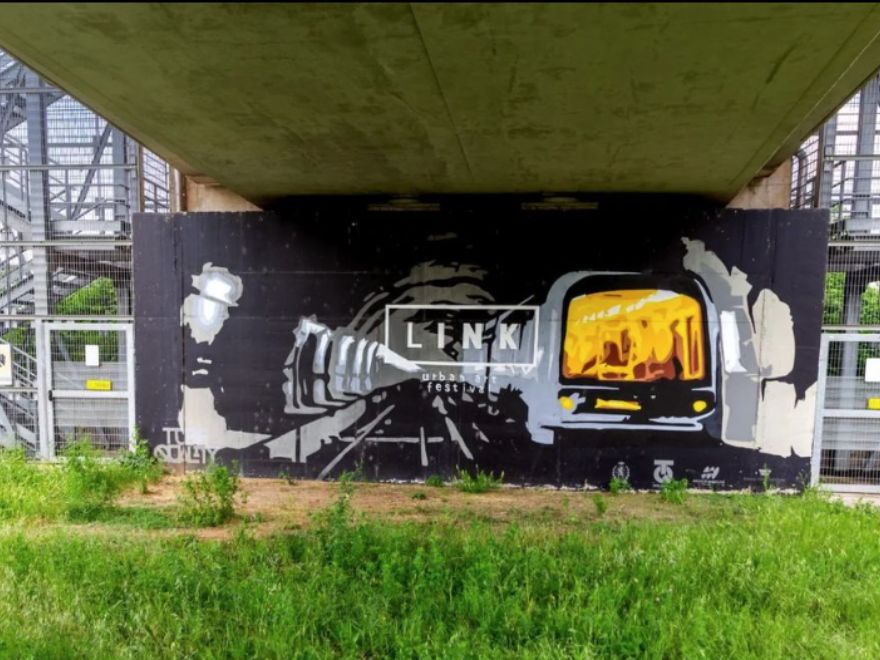
LINK è il festival di arte urbana che ha visto avvicendarsi dal 2016 al 2020 numerosi artisti affermati a livello internazionale all’opera su diverse aree urbane della città di Brescia. L’iniziativa, pensata ed organizzata dall’Associazione Culturale True Quality, è stata il punto di arrivo di un progetto che ha coinvolto un grande numero di realtà presenti sul territorio, con l’obiettivo di una rivitalizzazione e rilancio culturale di aree periferiche della città. 

Le prime 3 edizioni del festival si sono svolte nei pressi della stazione della metropolitana cittadina, nel quartiere suburbano di Sanpolino. Sono stati coinvolti 27 artisti nella decorazione di 26 piloni strutturali del viadotto metropolitano; l’esito di questo primo macro-intervento è una galleria d’arte a cielo aperto, completamente fruibile, lunga quasi un chilometro, un’eccellenza nel panorama artistico contemporaneo nazionale. Gli artisti coinvolti sono: Hemo, Mr. Thoms, Czar, Ofelia, Giorgio Bartocci, Vesod, Macs, Geometric Bang, Yellow Fat Crew, Len, SeaCreative, G. Loois, LABA, Nootk, Camilla Falsini, Fezzi, Mr. Wany, Frederico Draw, Contra, La Fille Bertha, Hdemia SantaGiulia, Laura Micieli, Semino Bevilacqua, Etsom, Bone, Giovanni Gandolfi, Giovanni Dallospazio, Taleggio, Vera Bugatti, 108, Saddo. 

Per la 4° edizione il festival ha subito un consistente avanzamento a livello di impatto sul territorio cittadino: esauriti i piloni di Sanpolino della zona urbana si è passati a grandi pareti di 3 quartieri, decorate da artisti. L’attenzione di LINK è rimasta incentrata sulle aree periferiche della città, i quartieri interessati sono San Bartolomeo, con gli artisti Vera Bugatti, Luogo Comune, Luca Zamoc, Ne Spoon e Joys; Violino dove sono intervenuti Vesod, 108 e Camilla Falsini; infine, Lamarmora con le opere degli artisti Saddo, Giovanni Dallospazio in collaborazione con Taleggio. 
 

MAUA A BRESCIA 

MAUA Brescia è un museo diffuso a cielo aperto, per scoprire itinerari cittadini fuori dal centro e dai circuiti ordinari dell’arte, con 28 opere di street art in realtà aumentata da esplorare in diverse zone della città.  
Arrivati sul posto, l’esperienza continua in forma digitale: inquadrata con lo smartphone, l’opera si trasforma in un lavoro di digital art, animata in realtà aumentata. 

Un progetto partecipato, che in ogni città in cui è stato realizzato è arrivato a coinvolgere centinaia di persone fra abitanti dei quartieri, studenti, street artist e creativi digitali. 

Galleria

Ultimo aggiornamento

10/12/2024, 13:49

Street Art

Dettagli della notizia

Descrizione breve
In Brescia, street art works extend over a vast area outside the historic center, between Sanpolino, San Bartolomeo, Violino, and Lamarmora, easily reachable by public transportation and bike paths. A significant boost to the creation of murals and urban art has been given by Link, the urban art festival organized by the True Quality Association, and by MAUA, with 28 new augmented reality street art works. An open-air distributed museum to discover urban routes outside the center and the ordinary art circuits.

Tempo di lettura:

6 min

Aree tematiche
Points of interest

Descrizione

Descrizione

"Futura traditio" by Vera Bugatti and Fabio Maria Fedele, 2021, via Lino Angelo Pisa 
 

"Futura Traditio" represents the fusion of the author's artistic imagery and the articulated narratives provided by artisans, exploring the complex relationship between tradition and innovation. The work, a huge anamorphosis by Bresciadue (320 sqm), is the result of a collaboration with Fabio Fedele for the Artisans Association, symbolically donated to the city. 

The painting projects two imposing figures within an architectural frame, suggesting that they emerge from a virtual room. The anamorphic perspective requires photographing the work from a side point indicated on the ground and walking along the street to fully appreciate the deformation of the design over a length of 30 meters. 

The title, "Futura Traditio," plays on the oxymoron between handed-down tradition and the future, representing tradition as a dynamic philosophical concept active across generations. Two characters, an elderly craftsman and a young woman with "4.0" tools, symbolize tradition and innovation, with looks that draw the observer from the street. 

The transmission of knowledge is represented by the passing of a box between the two characters, symbolizing continuity and mutual assistance. In the background, black silhouettes represent the artisans of the future, while white figures above the window symbolize the workers of the past. 

The work, originally scheduled for spring 2020, was delayed due to the pandemic. Bugatti also carefully incorporated the Covid-19 theme, symbolically emerging from a toolbox, with a mask and creased gloves. These elements, hanging from a hammer, represent solidarity and the experience of the pandemic, while their presence grows in significance toward the right side of the painting, suggesting hope but also a warning for caution. 


"The Dream of Water" by Vera Bugatti, 2024, Parco dell’Acqua, Largo Torrelunga, 7 

"The Dream of Water" by Vera Bugatti is a mural of more than 100 square meters that adorns two exterior walls of a white building in the southern area of the park. The work, created by the Brescian artist, depicts a dreamlike aquatic environment, paying tribute to those dedicated to environmental protection and promoting sustainability. 

The mural depicts a suspended environment inhabited by human and animal figures, including an old man and a little girl, a seahorse, a perch, a jellyfish, and a turtle. These characters are metaphors: the old man represents a tried and worried Poseidon, while the little girl symbolizes attention and curiosity about light. 

Made in anamorphosis, the mural requires to be observed from a specific point to properly appreciate its composition. Initially, the characters present strange deformations, but upon reaching the indicated vantage point, they reveal themselves in the proper perspective, offering viewers a unique and engaging experience. 


"Global angel wings project" by Colette Miller, 2019, inner courtyard of Area Docks, via Sangervasio. 

From Los Angeles, the City of Angels, to Brescia bringing the wings that have made her world famous, Colette Miller, an American artist, arrived in Italy where she brought her project born in 2012 through the streets of the California city. The artist, who has painted her wings on walls and skyscrapers all over the world ‒ in Kenya, Australia, Europe, England, Dubai, the World Trade Centre, Japan, Cuba, Juarez in Mexico, China and many other places, including many in the United States ‒ in Italy has chosen Brescia for her project. 

"The Global Angel Wings Project" has a special mission: to remind the world that we are all angels sent to earth. A message that is expressed by the artist through murals depicting colourful human-sized wings. Dimensions and locations are chosen by Colette so that each person can naturally interact with the work and become part of it. People's self-shots, taken all over the world, made this project international: by photographing themselves with wings, women, men, children and famous people helped spread the artist's message globally.  

The first pair of wings was conceived as a street art episode, but the response was natural, immediate, and spontaneous, from people of all types and backgrounds. Colette has painted her wings globally: although some are commissioned and others given away, the wings themselves are free for the world to see. They belong to no one, not even Colette, even though they are of her creation. 

LINKurban art festival  

LINK is the urban art festival that featured several internationally established artists working on different urban areas in the city of Brescia from 2016 to 2020. The initiative, conceived and organized by the True Quality Cultural Association, was the culmination of a project that involved a large number of entities in the area, with the goal of a cultural revitalization and renewal of peripheral areas of the city. 

The first three editions of the festival were held near the city subway station in the suburban Sanpolino district. Twenty-seven artists were involved in the decoration of 26 structural pylons of the metropolitan viaduct; the outcome of this first macro-intervention is an open-air, fully usable art gallery almost a kilometre long, an excellence in the national contemporary art scene. The artists involved are: Hemo, Mr. Thoms, Czar, Ofelia, Giorgio Bartocci, Vesod, Macs, Geometric Bang, Yellow Fat Crew, Len, SeaCreative, G. Loois, LABA, Nootk, Camilla Falsini, Fezzi, Mr. Wany, Frederico Draw, Contra, La Fille Bertha, Hdemia SantaGiulia, Laura Micieli, Semino Bevilacqua, Etsom, Bone, Giovanni Gandolfi, Giovanni Dallospazio, Taleggio, Vera Bugatti, 108, Saddo. 

For the 4th edition, the festival underwent a substantial advancement in terms of its impact on the city's territory: having exhausted the Sanpolino pylons of the urban area, it switched to large walls in three neighbourhoods, decorated by artists. LINK's focus has remained on the city's suburban areas, the affected neighbourhoods are San Bartolomeo, with artists Vera Bugatti, Luogo Comune, Luca Zamoc, Ne Spoon and Joys; Violino where Vesod, 108 and Camilla Falsini intervened; finally, Lamarmora with works by artists Saddo, Giovanni Dallospazio in collaboration with Taleggio


MAUA IN BRESCIA 

MAUA Brescia is a diffuse open-air museum to discover city itineraries outside the city centre and ordinary art circuits, with 28 street art works in augmented reality to explore in different parts of the city.  
Once on site, the experience continues in digital form: framed with a smartphone, the work is transformed into a work of digital art, animated in augmented reality. 

A participatory project, which has come to involve hundreds of people including neighbourhood residents, students, street artists and digital creatives in each city where it has been implemented. 


Galleria

Ultimo aggiornamento

10/12/2024, 13:49

Street Art

Dettagli della notizia

Descrizione breve
À Brescia, les œuvres de street art s'étendent sur un vaste territoire en dehors du centre historique, entre Sanpolino, San Bartolomeo, Violino et Lamarmora, facilement accessible par les transports en commun et les pistes cyclables. Un grand élan à la création de fresques murales et d'art urbain a été donné par Link, le festival d'art urbain organisé par l'Association True Quality, et par MAUA, avec 28 nouvelles œuvres de street art en réalité augmentée. Un musée à ciel ouvert diffus pour découvrir des itinéraires urbains hors du centre et des circuits artistiques ordinaires.

Tempo di lettura:

6 min

Aree tematiche
Points d'intérêt

Descrizione

Descrizione

 « Futura traditio » de Vera Bugatti et Fabio Maria Fedele, 2021, rue Lino Angelo Pisa 
 

 « Futura Traditio » représente la fusion de l'imagerie artistique de l'auteur et des récits articulés fournis par les artisans, en explorant la relation complexe entre la tradition et l'innovation. L'œuvre, une énorme anamorphose de Bresciadue (320 m2), est le résultat d'une collaboration avec Fabio Fedele pour l'Association des artisans, symboliquement donnée à la ville. 

Le tableau projette deux figures imposantes dans un cadre architectural, suggérant qu'elles émergent d'une pièce virtuelle. La perspective anamorphique nécessite de photographier l'œuvre à partir d'un point latéral indiqué au sol et de marcher le long de la rue pour apprécier pleinement la déformation du dessin sur une longueur de 30 mètres. 

Le titre,  « Futura Traditio », joue sur l'oxymore entre la tradition transmise et l'avenir et représente la tradition comme un concept philosophique dynamique actif à travers les générations. Deux personnages, un artisan âgé et une jeune femme équipée d'outils  « 4.0 », symbolisent la tradition et l'innovation, avec des regards qui attirent l'observateur depuis la rue. 

La transmission du savoir est représentée par le passage d'une boîte entre les deux personnages, symbole de continuité et d'entraide. En arrière-plan, des silhouettes noires représentent les artisans du futur, tandis que des silhouettes blanches au-dessus de la fenêtre symbolisent les travailleurs du passé. 

Les travaux, initialement prévus pour le printemps 2020, ont été retardés à cause de la pandémie. Bugatti a aussi soigneusement intégré le thème de la Covid-19, en sortant symboliquement d'une boîte à outils, avec un masque et des gants froissés. Ces éléments, suspendus à un marteau, représentent la solidarité et l'expérience de la pandémie, tandis que leur présence prend de l'importance vers la droite du tableau, suggérant l'espoir mais aussi un appel à la prudence. 


« Le rêve de l'eau » de Vera Bugatti, 2024, Parc aquatique, place Torrelunga, 7 

 « Le rêve de l'eau » de Vera Bugatti est une peinture murale de plus de 100 mètres carrés qui orne deux murs extérieurs d'un bâtiment blanc dans la zone sud du parc. L'œuvre, créée par l'artiste de Brescia, représente un environnement aquatique onirique, rendant ainsi hommage à ceux qui se consacrent à la protection de l'environnement et à la promotion de la durabilité. 

La peinture murale représente un environnement suspendu habité par des figures humaines et animales, dont un vieil homme et une petite fille, un hippocampe, une perche, une méduse et une tortue. Ces personnages sont des métaphores : le vieil homme représente un Poséidon éprouvé et inquiet, tandis que la petite fille symbolise l'attention et la curiosité vers la lumière. 

Réalisée en anamorphose, la peinture murale nécessite d'être observée d'un point précis afin d'apprécier correctement sa composition. Au départ, les personnages présentent d'étranges déformations, mais lorsqu'ils atteignent le point de vue indiqué, ils se révèlent dans la bonne perspective, offrant ainsi aux spectateurs une expérience unique et immersive. 


 « Global angel wings project »  de Colette Miller, 2019, cour intérieure des Area Docks, rue Sangervasio. 

De Los Angeles, la Cité des Anges, à Brescia, en apportant les ailes qui l'ont rendue célèbre dans le monde entier, Colette Miller, une artiste américaine, est arrivée en Italie avec son projet né en 2012 dans les rues de la ville californienne. L'artiste, qui a peint ses ailes sur des murs et des gratte-ciels dans le monde entier - au Kenya, en Australie, en Europe, en Angleterre, à Dubaï, au World Trade Center, au Japon, à Cuba, à Juarez au Mexique, en Chine et dans de nombreux autres endroits, y compris aux États-Unis - a choisi Brescia pour son projet en Italie. 

Ce projet a une mission particulière : rappeler au monde que nous sommes tous des anges envoyés sur terre. Un message que l'artiste exprime par des peintures murales représentant des ailes colorées de taille humaine. Les dimensions et les emplacements sont choisis par Colette pour que chaque personne puisse interagir naturellement avec l'œuvre et en faire partie. Les autoportraits, pris dans le monde entier, ont rendu ce projet international : en se photographiant avec des ailes, des femmes, des hommes, des enfants et des personnes célèbres ont contribué à diffuser le message de l'artiste à l'échelle mondiale.  

La première paire d'ailes a été conçue comme un épisode d'art de la rue, mais la réponse a été naturelle, immédiate et spontanée, de la part de personnes de tous types et de tous horizons. Colette a peint ses ailes partout dans le monde : si certaines sont commandées et d'autres offertes, les ailes elles-mêmes sont gratuites pour le monde entier. Elles n'appartiennent à personne, pas même à Colette, même si elles sont sa propre création. 

LINKurban art festival  

LINK est le festival d'art urbain qui, de 2016 à 2020, a vu de nombreux artistes de renommée internationale à l'œuvre dans différentes zones urbaines de la ville de Brescia. L'initiative, conçue et organisée par l'association culturelle « True Quality », a été le point culminant d'un projet qui a impliqué un grand nombre de réalités de la région, dans le but de revitaliser et de redynamiser les zones périphériques de la ville. 

Les trois premières éditions du festival se sont déroulées près de la station de métro de la ville, dans le quartier suburbain de Sanpolino. Vingt-sept artistes ont participé à la décoration de 26 pylônes structurels du viaduc métropolitain ; le résultat de cette première macro-intervention est une galerie d'art en plein air, entièrement utilisable, de près d'un kilomètre de long, une excellence sur la scène nationale de l'art contemporain. Les artistes impliqués sont: Hemo, M. Thoms, Czar, Ofelia, Giorgio Bartocci, Vesod, Macs, Geometric Bang, Yellow Fat Crew, Len, SeaCreative, G. Loois, LABA, Nootk, Camilla Falsini, Fezzi, Mr. Wany, Frederico Draw, Contra, La Fille Bertha, Hdemia SantaGiulia, Laura Micieli, Semino Bevilacqua, Etsom, Bone, Giovanni Gandolfi, Giovanni Dallospazio, Taleggio, Vera Bugatti, 108, Saddo. 

Pour la 4ème édition, le festival a connu une évolution significative en termes d'impact sur le territoire de la ville : après avoir terminé la décoration de tous les pylônes de Sanpolino dans la zone urbaine, le festival s'est déplacé sur de grands murs dans trois quartiers, décorés par des artistes. LINK s'est concentré sur les zones périphériques de la ville, les quartiers concernés étant les suivants San Bartolomeo avec les artistes Vera Bugatti, Luogo Comune, Luca Zamoc, Ne Spoon et Joys; Violino avec Vesod, 108 et Camilla Falsini ; enfin, Lamarmora avec des œuvres des artistes Saddo, Giovanni Dallospazio en collaboration avec Taleggio. 

MAUA À BRESCIA 

MAUA Brescia est un musée diffus en plein air, pour découvrir des itinéraires urbains en dehors du centre-ville et des circuits artistiques ordinaires, avec 28 œuvres d’art urbain en réalité augmentée à explorer dans différents quartiers de la ville.  
Une fois sur place, l'expérience se poursuit sous forme numérique : encadrée à l'aide d'un smartphone, l'œuvre se transforme en une œuvre d'art numérique, animée en réalité augmentée. 

Il s'agit d'un projet participatif qui, dans chaque ville où il a été mis en œuvre, a impliqué des centaines de personnes, dont des habitants du quartier, des étudiants, des artistes de rue et des créateurs numériques. 


Galleria

Ultimo aggiornamento

10/12/2024, 13:49

MA.CO.F Centro della Fotografia Italiana

Dettagli della notizia

Descrizione breve
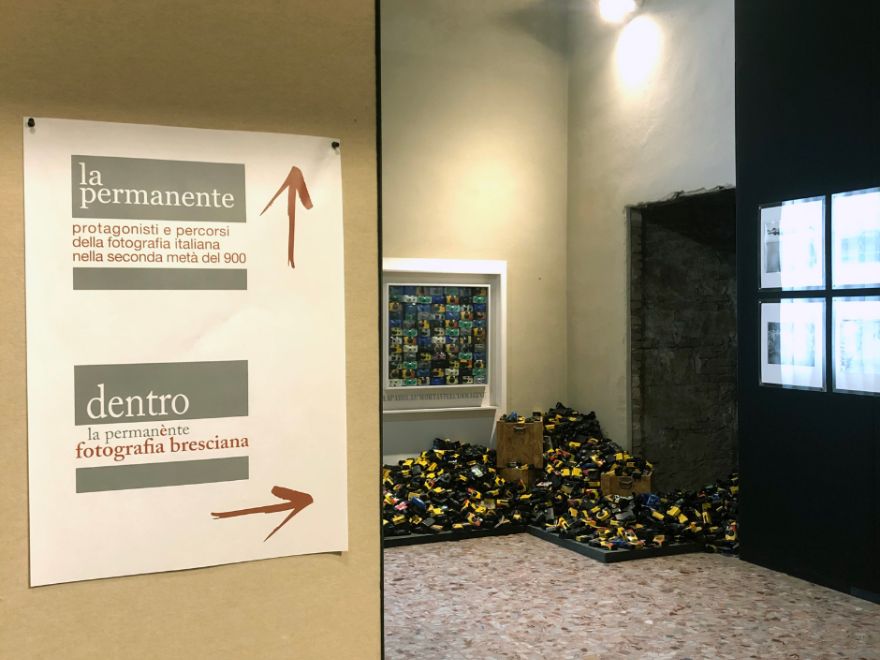
Le centre pour les nouvelles cultures du palais baroque Martinengo Colleoni de Malpaga (dont l'acronyme Ma.Co.F tire son nom) – nstallé à l’intérieur du MO.CA –abrite l'exposition permanente qui reconstitue l'histoire de la photographie italienne de la seconde moitié du XXe siècle.

C’est un voyage à travers les « icônes » de la photographie italienne et l’histoire de ses principaux protagonistes, mais aussi un parcours raisonné à travers l'évolution, les intérêts et les choix esthétiques et culturels de la photographie italienne.

Tempo di lettura:

2 min

Aree tematiche
Points d'intérêt

Descrizione

Descrizione

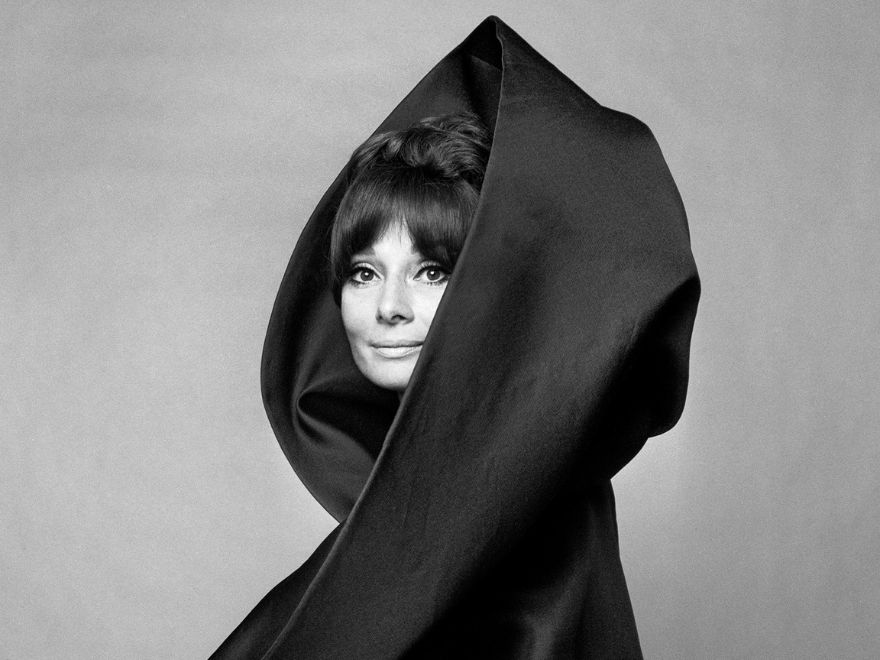
Il s'agit d'une collection de plus de 250 photographies originales réalisées par 48 des photographes italiens les plus importants et les plus représentatifs du XXe siècle, allant de la photographie documentaire et journalistique à la photographie de mode, du portrait à la photographie de recherche, de la publicité à la photographie de paysage, et retraçant la richesse des styles et des personnalités de la photographie italienne.  

En plus de la collection permanente, le Ma.CoF accueille des expositions temporaires sur des aspects, des moments, des auteurs de l'histoire de la photographie italienne et organise des activités de vulgarisation et de recherche.  

L'objectif est de proposer des pistes de narration et d’approfondissement sur la photographie, en suivant les multiples possibilités d'interprétation qu'elle offre - en tant que source historique, langage, forme artistique, miroir de l'expérience collective - dans un entrelacement constant entre le travail d'étude et de diffusion sur la mémoire et la réflexion critique sur le statut ontologique de l'image photographique et son avenir dans un Troisième Millénaire marqué par la transition – typique de l’époque contemporaine –de la photographie analogique matérielle à la photographie numérique virtuelle.  

Galleria

Ultimo aggiornamento

10/12/2024, 13:49

MA.CO.F Zentrum für Italienische Fotografie

Dettagli della notizia

Descrizione breve
Im MO.CA, dem Zentrum für neue Kulturen im barocken Palazzo Martinengo Colleoni von Malpaga, ist eine Dauerausstellung untergebracht, die die Geschichte der italienischen Fotografie in der zweiten Hälfte des 20. Jahrhunderts rekonstruiert.

Eine Reise durch die „Ikonen" der italienischen Fotografie und die Geschichten ihrer wichtigsten Protagonisten, aber auch ein durchdachter Weg durch die Entwicklung, die Interessen und die ästhetischen und kulturellen Entscheidungen der italienischen Fotografie.

Tempo di lettura:

1 min

Aree tematiche
Sehenswürdigkeiten

Descrizione

Descrizione

Es handelt sich um eine Sammlung von mehr als 250 Originalfotografien von 48 der wichtigsten und repräsentativsten italienischen Fotografen des 20. Jahrhunderts, die von der Dokumentar- und Reportagefotografie bis zur Modefotografie, vom Porträt bis zur Forschungsfotografie, von der Werbung bis zur Landschaftsfotografie reichen, und den Reichtum an Stilen und Persönlichkeiten der italienischen Fotografie widerspiegeln.  

Neben der ständigen Sammlung veranstaltet das Ma.Co.F Wechselausstellungen zu Aspekten, Momenten und Autoren der Geschichte der italienischen Fotografie, sowie Aktivitäten zur Popularisierung und Forschung.  

Ziel ist es, Erzähl- und Argumentationspfade zur Fotografie vorzuschlagen, welche den vielfältigen Interpretationsmöglichkeiten folgen, die sie bietet - als historische Quelle, Sprache, Kunstform, Spiegel kollektiver Erfahrung - in einer ständigen Verflechtung zwischen der Arbeit an der Erforschung und Verbreitung der Erinnerung und der kritischen Reflexion über den ontologischen Status des fotografischen Bildes und seine Zukunft in einem dritten Jahrtausend, das durch den epochalen Übergang von der Körperlichkeit der analogen Fotografie zur Virtualität der digitalen Fotografie gekennzeichnet ist.  

Galleria

Ultimo aggiornamento

10/12/2024, 13:49

MA.CO.F Centro della Fotografia Italiana

Dettagli della notizia

Descrizione breve
Housed inside MO.CA, the centre for new cultures in the baroque Palazzo Martinengo Colleoni in Malpaga (from whose acronym Ma.Co.F gets its name), it is a permanent exhibition that reconstructs the history of Italian photography in the second half of the 20th century.

A journey through the "icons" of Italian photography and the stories of its major protagonists, but also a reasoned path through the evolution, interests and aesthetic and cultural choices of Italian photography.

Tempo di lettura:

2 min

Aree tematiche
Points of interest

Descrizione

Descrizione

It is a collection of more than 250 original photographs by 48 of the most important and representative Italian photographers of the 20th century, ranging from documentary and journalistic photography to fashion photography, from portraiture to research photography, from advertising to landscape photography, and recounting the richness of styles and personalities of Italian photography.  

In addition to the permanent collection, Macof hosts temporary exhibitions on aspects, moments, authors, of the history of Italian photography and organizes popular and research activities.  

The aim is to propose paths of storytelling and reasoning on photography, following the multiple possibilities of reading it offers ‒ as a historical source, language, art form, mirror of collective experience ‒ in a constant interweaving between the work of study and popularization on memory and critical reflection on the ontological status of the photographic image and its future in a Third Millennium marked by the epochal transition from the physicality of analogue photography to the virtuality of digital photography.  

Galleria

Ultimo aggiornamento

10/12/2024, 13:49

C.AR.M.E. Centro Arti Multiculturali e Etnosociali

Dettagli della notizia

Descrizione breve
Die Künstlervereinigung bildet ihren Namen aus dem beliebten Stadtviertel Carmine, das sich durch eine starke Multiethnizität auszeichnet, ein Kreuzungspunkt der Kulturen ist, Universitäten, Schulen und kulturelle sowie soziale Vereine beherbergt und ein nächtliches Zentrum für jugendliche und nicht jugendliche Zusammenkünfte ist.

C.AR.M.E. befasst sich mit der Förderung und Entwicklung zeitgenössischer Kunst - mit Schwerpunkt auf neuen Tendenzen - in Synergie mit dem kulturellen, ethnischen und sozialen Gefüge des Viertels selbst und durch einen multidisziplinären Ansatz mit der Realisierung von Wechselausstellungen, künstlerischen Residenzen und künstlerischen Produktionsprojekten in den Bereichen Theater, Tanz, Kino, bildende Kunst, Musik und digitale Kultur.

Sie befindet sich in der ehemaligen Kirche der Heiligen Philippus und Jakobus.

Tempo di lettura:

3 min

Aree tematiche
Sehenswürdigkeiten

Descrizione

Descrizione

Die Kirche und das große angrenzende Kloster wurden Ende des 12. Jahrhunderts von einer Gruppe von Umiliati aus Erbusco gegründet. Der Sitz des Ordens, der entlang des Baches Bova und in der Nähe des Albera-Tors in der nordwestlichen Ecke der ummauerten Stadt errichtet wurde, stand im Zusammenhang mit der Notwendigkeit, Mühlengebühren und -abgaben zu erheben, entsprechend den traditionellen Befugnissen, die den Umiliati zugeschrieben wurden. Mit der Aufhebung des Ordens im Jahr 1571 wurde die Leitung des Klosters den Schwestern der Heiligen Petrus und Marcellinus anvertraut, die sich 1585 dort niederließen. Ein Jahrhundert später, im Jahr 1670, wurde die Kirche nach einem Entwurf von Giovanni Antonio Girelli wiederaufgebaut. Im Jahr 1797 wurde das Kloster von der napoleonischen Regierung aufgehoben. 1890 wurde die Apsis abgeschnitten, um die Straße gemäß dem Sanierungsplan von 1887 zu verbreitern, was zu einer Umkehrung der Ausrichtung der Kirche und dem Bau einer neuen Fassade zur Straße hin führte. Die entweihte Kirche, in der früher das Notariatsarchiv untergebracht war und von der noch die mit schmiedeeisernen Geländern verzierten Balkone erhalten sind, wird heute von der C.AR.M.E.-Vereinigung als Ausstellungsraum genutzt, während die anderen Teile des alten Komplexes 1935 abgerissen wurden. 

Von der Kirche ist heute vor allem die imposante Fassade zu sehen, die nach dem Abbruch der alten Apsis wieder aufgebaut wurde, was zu einer Umkehrung des Innenraums führte. Die neue Fassade ist im neugotischen Stil mit einem Giebelprofil gestaltet, das durch abwechselnde Bänder aus Terrakotta und weißem Stein gekennzeichnet ist. In der Mitte befindet sich eine sehr große Trifora mit Spitzbögen und gezacktem Cotto-Rand, die in einem größeren Bogen ähnlicher Form eingeschrieben sind. Der Abschluss besteht aus einem dicken Band aus Cotto und Stein mit kleinen Bögen und Zahnschnittfriesen. Während des Wiederaufbaus wurden in die gesamte Fassade verschiedene Elemente aus der abgerissenen Apsis eingemauert. Im unteren Register sind zum Beispiel einige antike Inschriften zu sehen, von denen eine ein Xenodochium, eine Unterkunft für Bedürftige und Fremde, erwähnt. Über dem dreibogigen Fenster hingegen sind Basreliefs, die einen aufgerichteten Löwen - das Stadtwappen - und die beiden Schutzheiligen Faustino und Giovita in Gestalt von bewaffneten Rittern mit Speeren und Fahnen darstellen. Schließlich kann man rundherum weitere wertvolle wiederverwendete Elemente erkennen, wie Fragmente von gedrehten Säulen, Kapitellen und Sockeln, die in der Fassade in einem typischen Stil des späten 19. Jahrhunderts eingemauert sind, den man auch in anderen zeitgenössischen Bauwerken der Stadt wie dem Castelletto dei dazi in der Via San Faustino finden kann. An der Außenseite ist der noch heute erhaltene Teil der kleinen nördlichen romanischen Apsis in der rechten unteren Ecke der Fassade zu sehen, die durch ein Monoforium mit kleinen Bögen gekennzeichnet ist. Die innere Struktur basiert auf einem einzigen Saal mit einem Tonnengewölbe. Die Wände sind mit korinthischen Lisenen verziert, die auf jeder Seite zwei Kapellen einrahmen, die heute keine sakrale Ausstattung mehr haben. Hinter dem Hochaltar befand sich ein rechteckiger Raum, der als Chor der Nonnen genutzt wurde. Die Pfeifenorgel und die Werke, die einst in der Kirche aufbewahrt wurden, sind heute verschwunden oder nicht mehr auffindbar. 

Galleria

Ultimo aggiornamento

10/12/2024, 13:49

C.AR.M.E. Centro de Artes Multiculturales y Etnosociales

Dettagli della notizia

Descrizione breve
La asociación artística toma su nombre del Carmine, barrio popular de la ciudad caracterizado por un fuerte componente multiétnico, encrucijada de culturas, sede universitaria, escuelas y asociaciones culturales y sociales, y centro nocturno de encuentro, sobre todo juvenil.

C.AR.M.E. se ocupa de la promoción y el desarrollo del arte contemporáneo - con especial atención a las nuevas tendencias - en sinergia con el tejido cultural, étnico y social del barrio mismo y mediante un enfoque multidisciplinar, con la realización de exposiciones temporales, residencias artísticas y proyectos de producción artística de teatro, danza, cine, artes visuales, música y cultura digital.

Se encuentra en la antigua iglesia de los Santos Felipe y Santiago.

Tempo di lettura:

3 min

Aree tematiche
Sitios de interés

Descrizione

Descrizione

La iglesia y el gran convento contiguo fueron fundados por un grupo de monjes de la Orden de los Humillados provenientes de Erbusco a finales del siglo XII. La residencia de la orden, establecida a lo largo del curso del río Bova y cerca de la puerta de la Albera, en el ángulo noroeste de la ciudad amurallada, estaba vinculada a la necesidad de recaudar peajes e impuestos sobre los molinos, de acuerdo con los poderes tradicionales atribuidos a los Humillados. Con la supresión de la orden en 1571, la dirección del convento se confió a las Hermanas de los Santos Pedro y Marcelino, que fijaron allí su residencia en 1585. Un siglo más tarde, en 1670, la iglesia fue reconstruida según un diseño de Giovanni Antonio Girelli. En 1797, el monasterio fue suprimido por el gobierno napoleónico y en 1890, para ensanchar la calle de acuerdo con el plan de reurbanización de 1887, se truncó el ábside, lo que provocó la inversión de la orientación de la iglesia y la construcción de una nueva fachada. La iglesia desacralizada, antigua sede de los Archivos Notariales de la que se conservan los balcones adornados con graciosas barandillas de hierro forjado, se utiliza actualmente como espacio expositivo de la Asociación C.AR.M.E., mientras que las demás partes del antiguo complejo fueron demolidas en 1935. 

En la actualidad, de la iglesia destaca, en especial, la imponente fachada reconstruida tras el truncamiento del antiguo ábside, que llevó a la inversión del interior. El nuevo alzado es de estilo neogótico con perfil a dos aguas, caracterizado por la alternancia de bandas de terracota y piedra blanca. En el centro hay una gran ventana ojival triple con arcos apuntados con un perímetro de terracota con muescas, inscrita dentro de un arco mayor de forma similar. Por último, en la parte superior se coloca una gruesa banda de arquillos y bordes dentados de terracota y piedra. Durante la reconstrucción, se tapiaron en toda la fachada elementos de recuperación de diversa índole procedentes del ábside demolido. En el registro inferior, por ejemplo, pueden verse algunas inscripciones antiguas, una de las cuales menciona un xenodochium, o refugio para indigentes y forasteros. Por otra parte, sobre la triple ventana ojival se insertaron bajorrelieves que representan un león rampante, emblema de la ciudad, y los dos santos patrones Faustino y Jovita como caballeros armados, con lanzas y estandarte. Por último, por todas partes se pueden reconocer otros valiosos elementos recuperados, como fragmentos de columnas retorcidas, capiteles y zócalos emparedados en la fachada en un estilo típicamente de finales del siglo XIX, que se pueden encontrar en otras obras arquitectónicas contemporáneas de la ciudad, como el Castelletto dei dazi de via San Faustino. Obsérvese, también en el exterior, la parte del absidiolo románico septentrional que aún se conserva, en el ángulo inferior derecho de la fachada, caracterizada por una única ventana ojival y una banda de arquillos que la coronan. La estructura interna se basa en un único vestíbulo con bóveda de cañón. Los muros están decorados con pilastras de orden corintio que enmarcan dos capillas a cada lado, hoy desprovistas de mobiliario sacro. Detrás del altar mayor había una sala rectangular utilizada como coro de las monjas. El órgano de tubos y las obras que se conservaban en la iglesia han desaparecido o ya no se pueden localizar. 

Galleria

Ultimo aggiornamento

10/12/2024, 13:49

C.AR.M.E. Centre for Multicultural and Ethnosocial Arts

Dettagli della notizia

Descrizione breve
The Art Association draws its name from Carmine, the popular city neighbourhood characterized by a strong multi-ethnicity, a crossroads of cultures, home to universities, schools and cultural and social associations, and a nighttime centre of youth and non-youth gatherings.

C.AR.M.E. is concerned with the promotion and development of contemporary art – with particular attention to new trends – in synergy with the cultural, ethnic and social fabric of the neighbourhood itself and through a multi-disciplinary approach, with the creation of temporary exhibitions, artistic residencies, and artistic production projects in theatre, dance, cinema, visual arts, music and digital culture.

It is based at the former Church of Saints Philip and James.

Tempo di lettura:

3 min

Aree tematiche
Points of interest

Descrizione

Descrizione

The church and the vast adjoining convent are founded by a group of Humiliati from Erbusco in the late 12th century. The order's residence, established along the course of the Bova stream and near the Albera gate in the northwest corner of the walled city, was related to the need to collect tolls and mill levies, in accordance with the traditional powers attributed to the Humiliati. With the suppression of the order in 1571, the leadership of the convent was entrusted to the Sisters of Saints Peter and Marcellinus, who took up residence there in 1585. A century later, in 1670, the church was rebuilt to a design by Giovanni Antonio Girelli. In 1797 the convent was suppressed by the Napoleonic government, and in 1890 the apse was truncated to widen the street in accordance with the 1887 redevelopment plan, leading to the reversal of the orientation of the church and building a new facade on the street. The deconsecrated church, formerly home to the Notarial Archives, of which the balconies embellished with graceful wrought-iron railings remain, is currently used as an exhibition space by the C.AR.M.E. Association, while the other sections of the ancient complex were demolished in 1935. 

Of the church it appears today, in particular, the imposing facade rebuilt after the truncation of the ancient apse, which led to the inversion of the interior. The new elevation is in neo-Gothic style with a gabled profile, characterized by alternating bands of terracotta and white stone. In the centre opens a very large three-mullioned window with pointed arches with a notched terracotta perimeter, inscribed within a wider arch of similar shape. Finally, a thick terracotta and stone band with small arches and indentations is placed at the crown. During the reconstruction, salvage elements of various types from the demolished apse were walled in throughout the facade. In the lower register, for example, some ancient inscriptions are noted, one of which mentions a xenodochium, or shelter for indigents and strangers. Above the triforium, bas-reliefs depicting a rampant lion, the civic coat of arms, and the two patron saints Faustinus and Jovita in the guise of armed knights, with spears and banner, were inserted instead. Finally, all around are other valuable recovered elements such as fragments of twisted columns, capitals and plinths walled into the facade in typical late 19th-century taste, found in other coeval city architecture such as the Castelletto dei dazi on San Faustino Street. Note, also on the exterior, the portion of the northern Romanesque apsidiole that still survives, in the lower right corner of the facade, characterized by a single-lancet window and a band of crowning arches. The internal structure is set on a single hall with a barrel-vaulted ceiling. The walls are decorated with pilasters of Corinthian order framing two chapels on each side, now devoid of any sacred furnishings. Instead, behind the high altar was a rectangular room used as the nuns' choir. The pipe organ and works once kept in the church are now missing or no longer traceable. 

Galleria

Ultimo aggiornamento

10/12/2024, 13:49

Scuola di legalità infanzia

Dettagli della notizia

Oltre mille i bambini coinvolti

Data:

27 giugno 2024

Tempo di lettura:

2 min

Educazione legalità PL 2024 - Infanzia

Descrizione

Nell'anno scolastico delle scuole per l'infanzia che sta per concludersi, la Polizia Locale di Brescia ha incontrato 58 classi, per un totale di 1.091 bambini, nell'ambito del progetto "Percorsi in classe" all'interno del più ampio piano di educazione alla legalità.

ll rispetto della legalità deve accompagnare i cittadini nel corso di tutta la vita. È da giovanissimi che si apprendono i valori che poi si consolidano con la crescita. Questa è l'ottica che guida la Polizia Locale di Brescia, attraverso il suo Ufficio Educazione alla Legalità, fin dal 1976, anno in cui ha avuto inizio l'attività di educazione stradale, con percorsi rivolti agli alunni delle scuole di ogni ordine e grado del Comune di Brescia.

Nella scuola dell'infanzia, attraverso il gioco e le attività educative e didattiche, gli agenti della Polizia Locale hanno lavorato sulla sensibilizzazione delle bambine e dei bambini a concetti di base come la conoscenza e il rispetto delle differenze proprie e altrui, la consapevolezza delle affinità, il concetto di salute e di benessere. Inoltre, proprio con il progetto "Percorsi in classe", il personale dell'Ufficio Educazione alla Legalità affronta con i bambi da 3 a 6 anni i temi del comportamento stradale e della sicurezza nel traffico con lo scopo di far acquisire ai bambini le regole di comportamento sulla strada con particolare attenzione all'essere pedone, ciclista oppure passeggero di un'autovettura.

Per le scuole dell'infanzia insegnare ai bambini sin da piccoli il valore e l'importanza delle regole significa permettere loro di crescere e di diventare cittadini consapevoli e responsabili. Attraverso gli incontri, i piccoli alunni hanno approfondito la conoscenza della figura e delle funzioni dell'agente di Polizia Locale e, più in generale, delle persone "in divisa" e i comportamenti da attuare qualora si dovessero "smarrire" in ambito cittadino, sviluppando anche il concetto del diffidare degli sconosciuti. I bambini hanno inoltre acquisito la conoscenza della segnaletica orizzontale e verticale e come muoversi sulla strada.

La parte teorica introduttiva è stata integrata con una parte pratica in aula, con la rappresentazione di un incrocio semaforizzato per far comprendere ai bambini l'importanza di spostarsi in sicurezza. È stato poi distribuito un libretto informativo contenente varie indicazioni sia sul Codice della strada che i comportamenti da adottare in varie situazioni in cui i bambini possono essere coinvolti, il tutto rappresentato con immagini e modalità adatte alla loro età. I partecipanti vengono inoltre omaggiati di un piccolo portachiavi catarifrangente da applicare allo zainetto per renderli più visibili nel traffico.

Ultimo aggiornamento

27/06/2024, 12:32