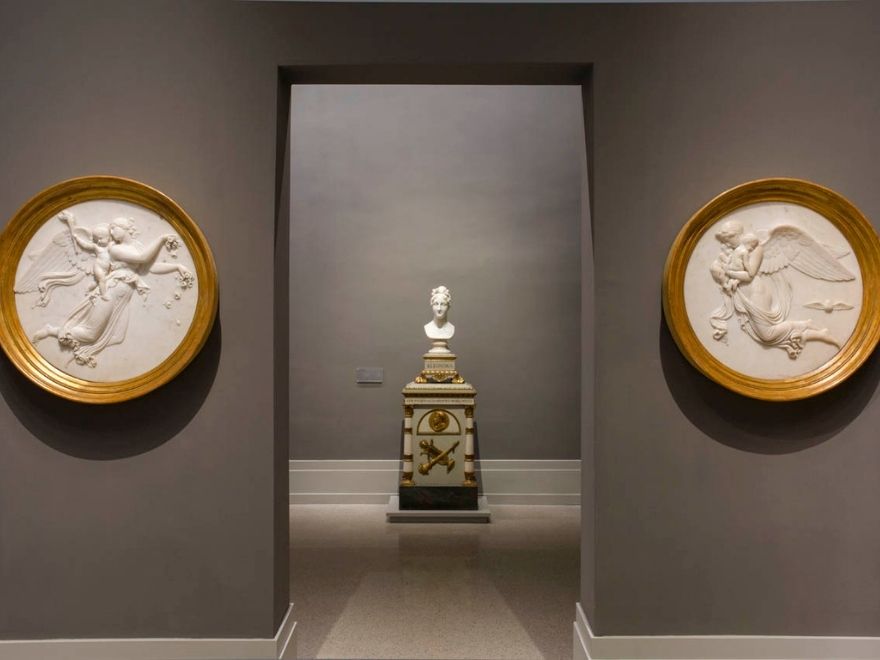
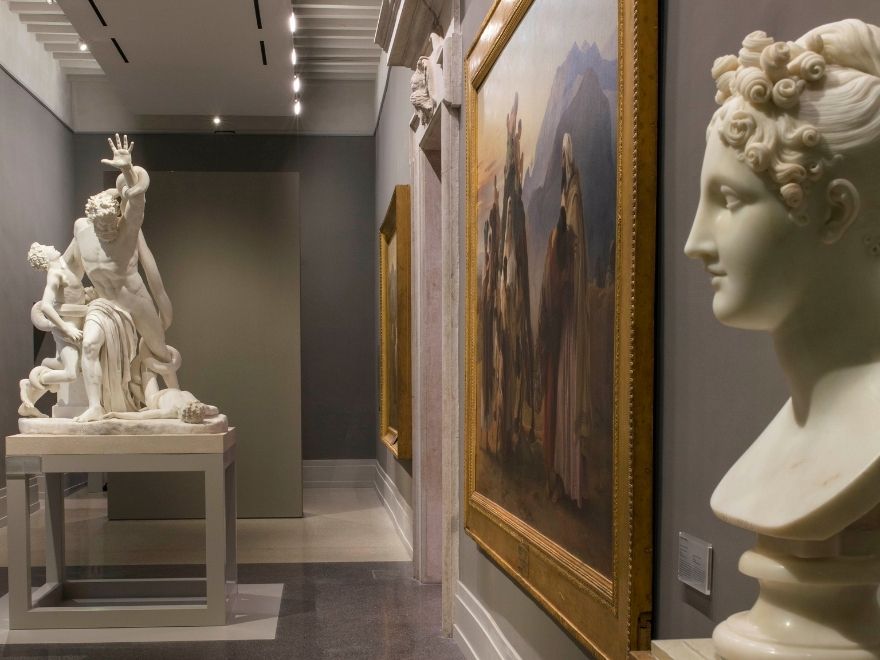
Descrizione
The History of the Tosio Martinengo Art Gallery
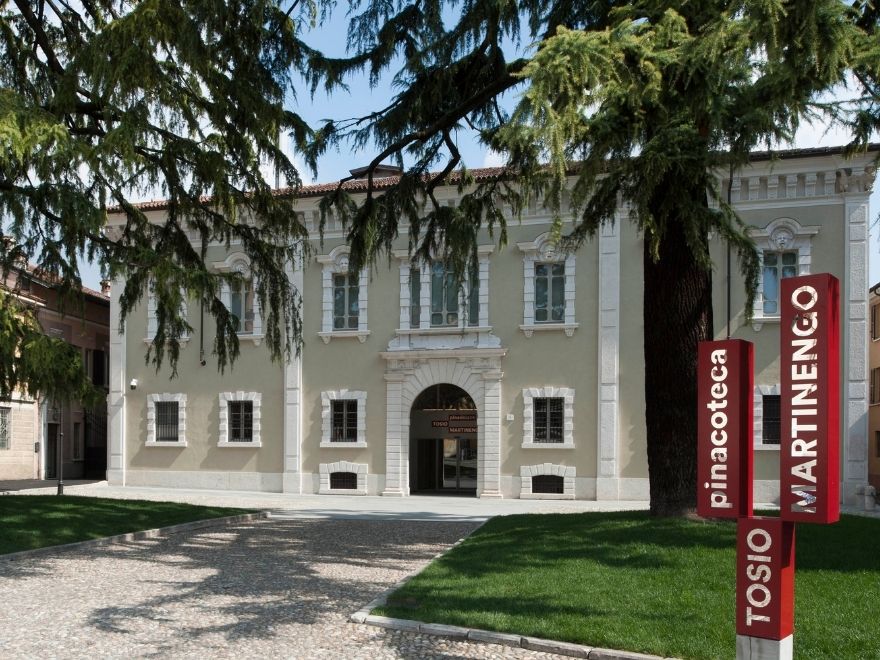
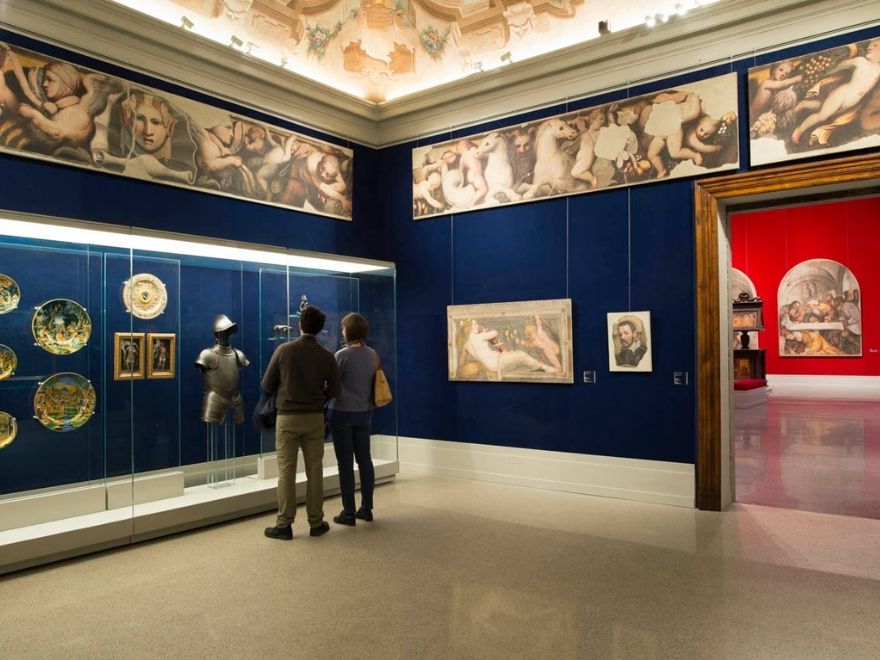
The civic art gallery of Brescia originated in Palazzo Tosio, thanks to the rich collections of paintings, sculptures, prints, drawings, and art objects that Count Paolo Tosio donated to the Municipality of Brescia in 1832. A man of broad culture and a poet, Count Tosio hosted a salon in his palace that was frequented by the leading cultural figures of early 19th-century Brescia. In his will, drafted on March 12, 1832, Tosio bequeathed his collections and library to the Municipality so that they would be perpetually preserved for public benefit. The Tosio gallery opened to the public in 1851, maintaining the original arrangement of the works and continually increasing the exhibits thanks to donations and legacies from private collectors.
The Fusion of the Art Galleries
The continuous influx of works necessitated the creation of a second art gallery. In 1884, Francesco Leopardo Martinengo da Barco left his large palace to the city, allowing for a new distribution of over 600 objects from Palazzo Tosio. In 1889, after renovation work by architect Antonio Tagliaferri, the Municipal Art Gallery Martinengo opened, housing works not part of the Tosio legacy. In 1903, the city administration decided to merge the two art galleries into one, located in Palazzo Martinengo da Barco. After thorough reorganization, the Tosio Martinengo Art Gallery was definitively inaugurated on September 27, 1914.
The Tosio Collection: From Raphael to Canova
The Tosio collection, known for its ancient painting masterpieces, also includes works by acclaimed contemporary neoclassical artists such as Andrea Appiani, Antonio Canova, Berthel Thorvaldsen, Pelagio Palagi, and Luigi Basiletti. Among the ancient paintings, three works attributed to Raphael stand out: the "Redeemer," the "Madonna of the Carnations" (attributed to the master’s workshop), and a "Portrait of a Young Man" identified as one of the angels from the now-lost altarpiece of St. Nicholas of Tolentino.
The Brescian School of the 1500s
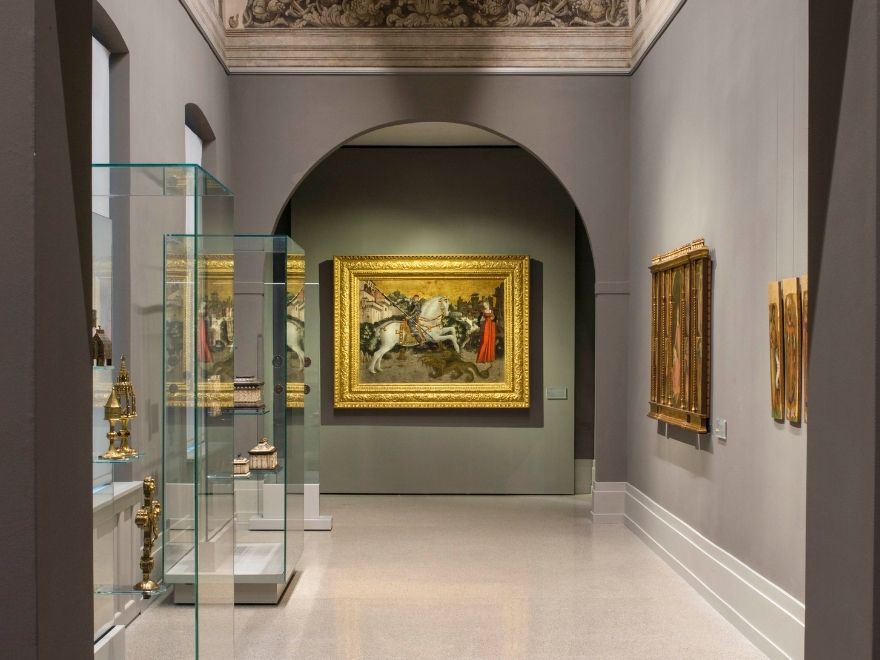
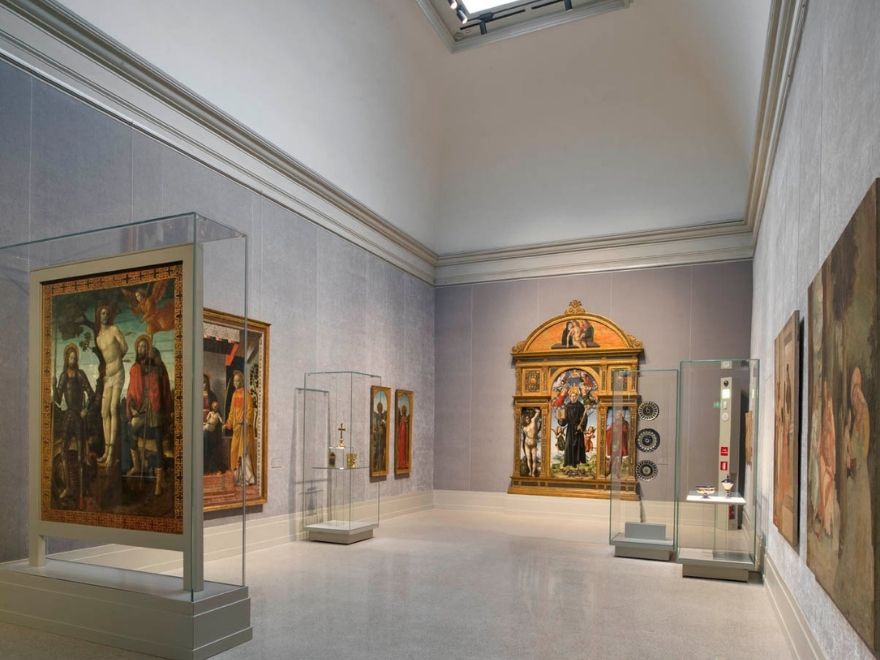
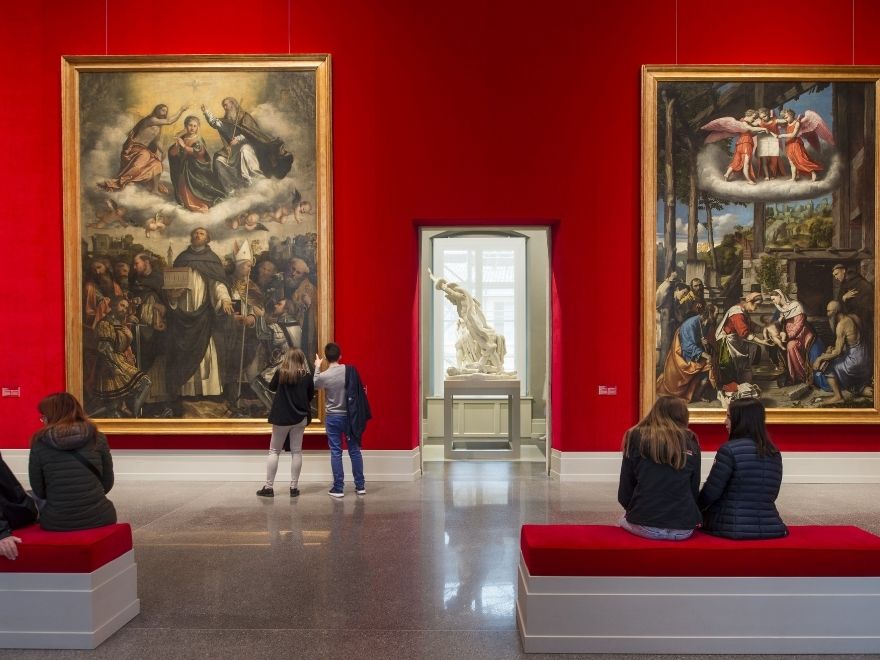
In the first half of the 16th century, Brescia experienced a high artistic moment with artists like Vincenzo Foppa, Savoldo, Romanino, and Moretto. These artists developed an innovative realistic language, with Foppa as the pioneer. Savoldo’s works are characterized by austere figures wrapped in solid drapery and light effects, while Romanino alternates precious chromatisms with a modern and theatrical language. Moretto, finally, combines Raphael’s classicism with a domestic and concrete dimension.
Giacomo Ceruti: A Painter of the 18th Century
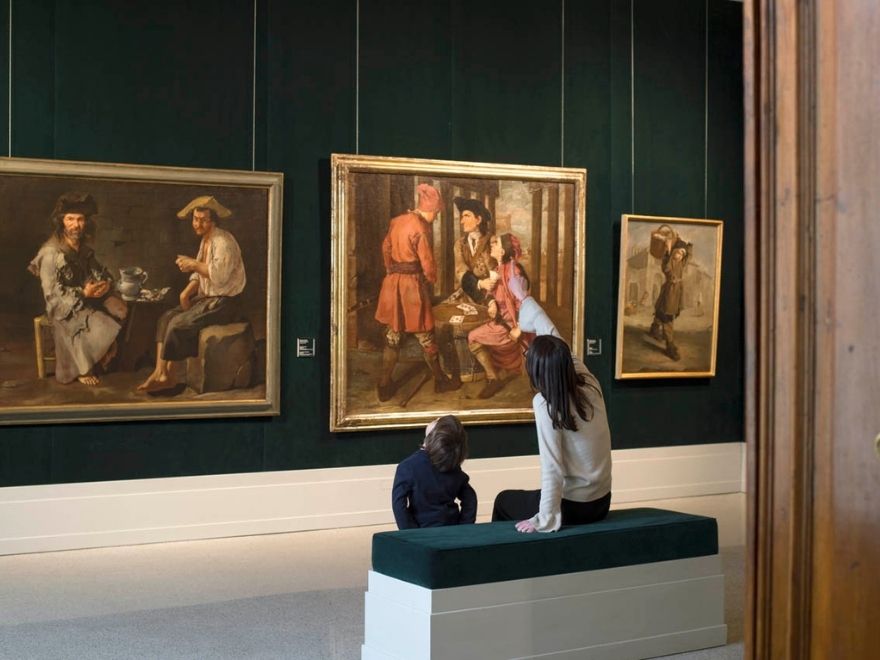
Giacomo Ceruti, known as the Pitocchetto, is famous for his realistic representations of everyday life scenes. His works, such as the "Laundress," are characterized by a search for truth and a dignified depiction of characters, using an earthy palette and a poor and realistic style.
The Venetian Glasses of the Brozzoni Collection
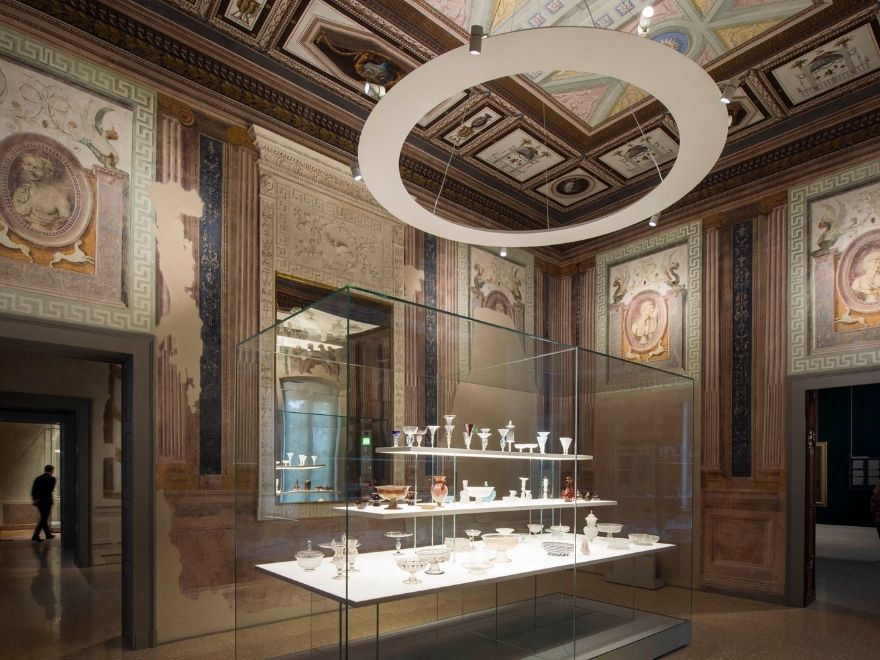
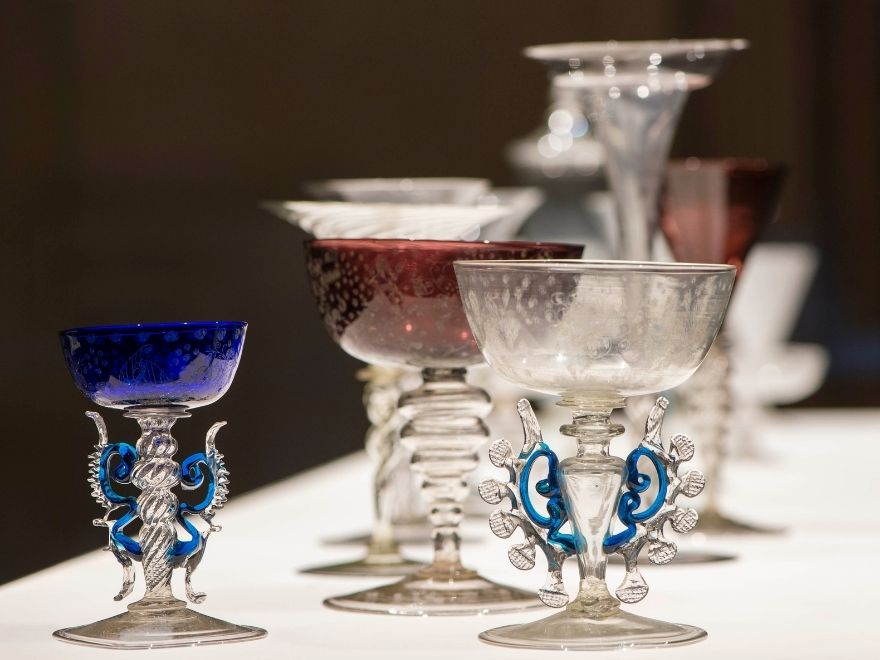
In 1863, the collector Camillo Brozzoni donated to the Municipality of Brescia an art collection that included an extraordinary nucleus of Venetian glass. This collection, displayed in room 13 of the gallery, documents a wide variety of techniques and types of Murano glass production from the 15th to the 18th century. Among the pieces on display are lattimo, blown glass decorated with refined filigree motifs, chalcedony glass, and Baroque glasses engraved with a diamond point.